Medieval Shield
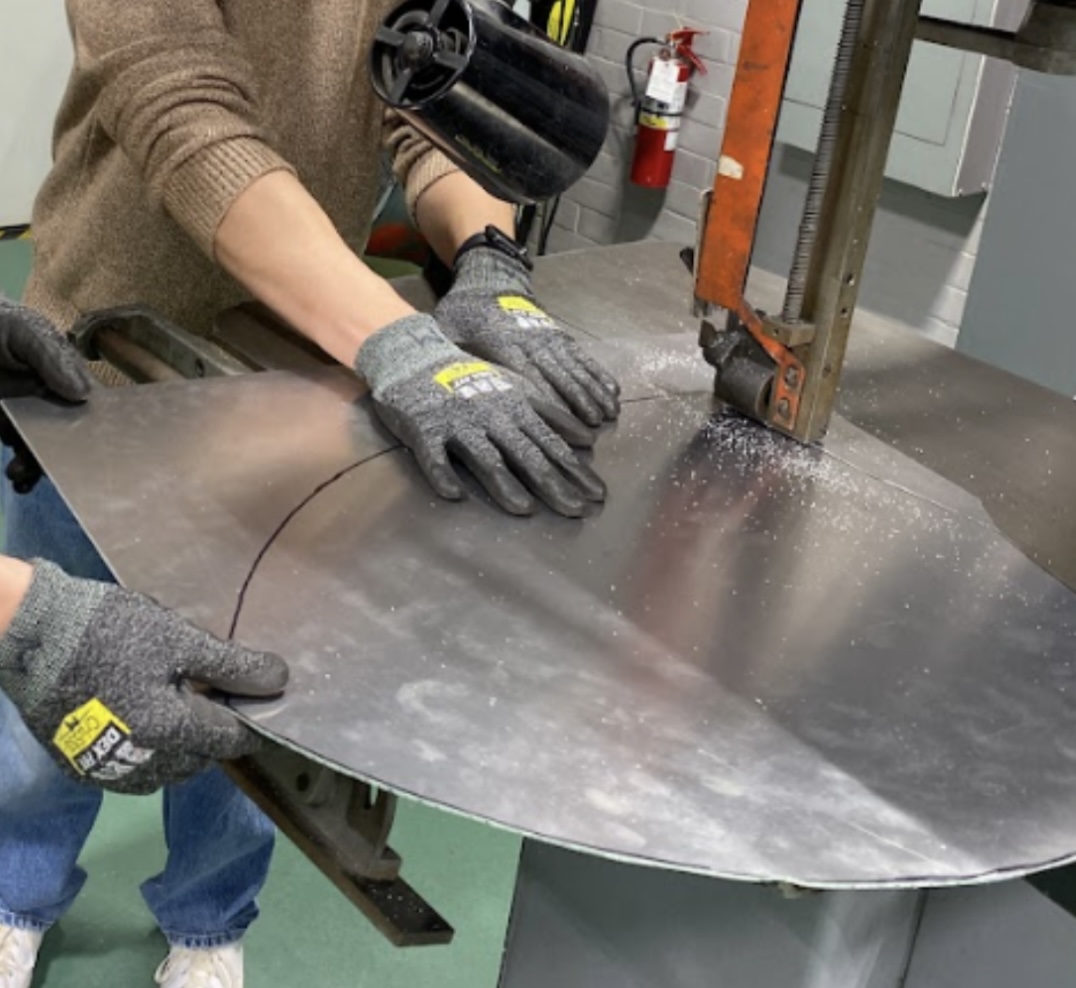
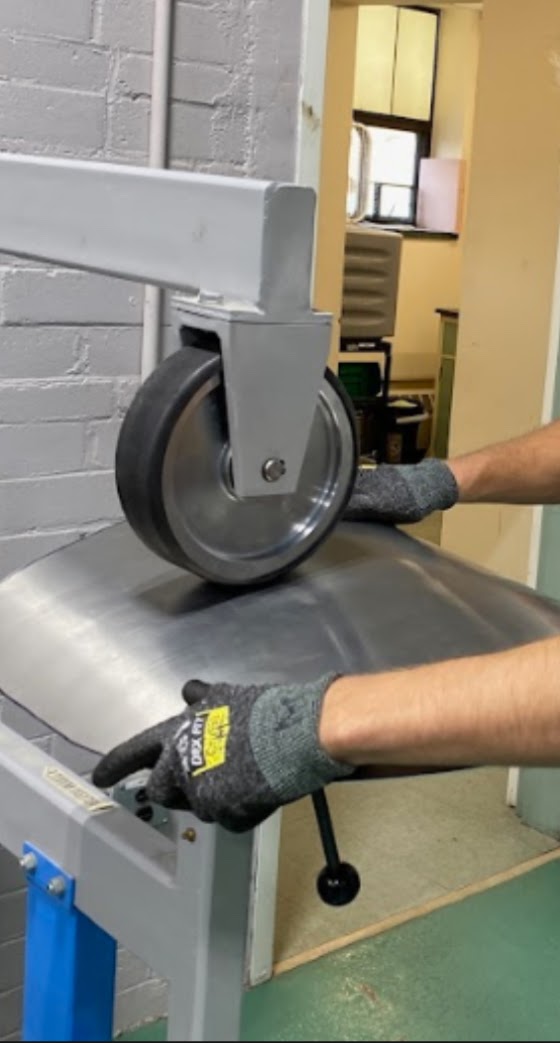
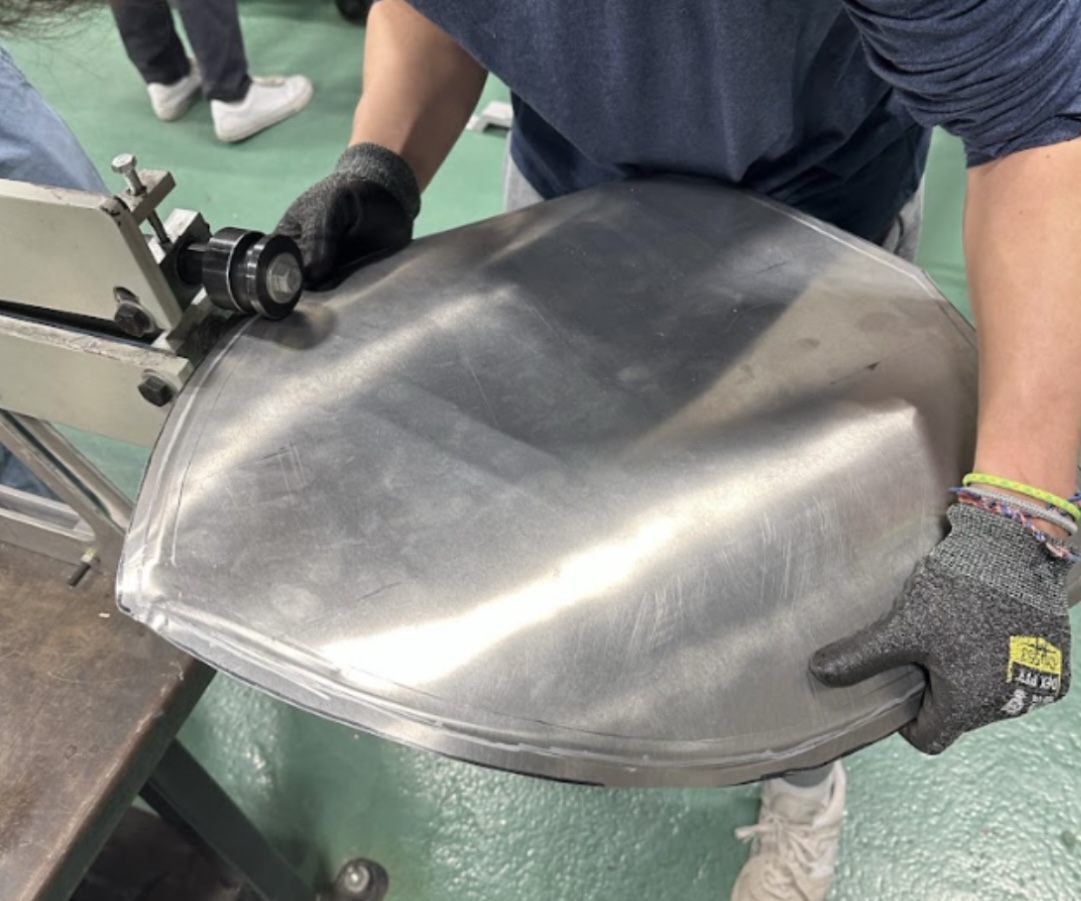
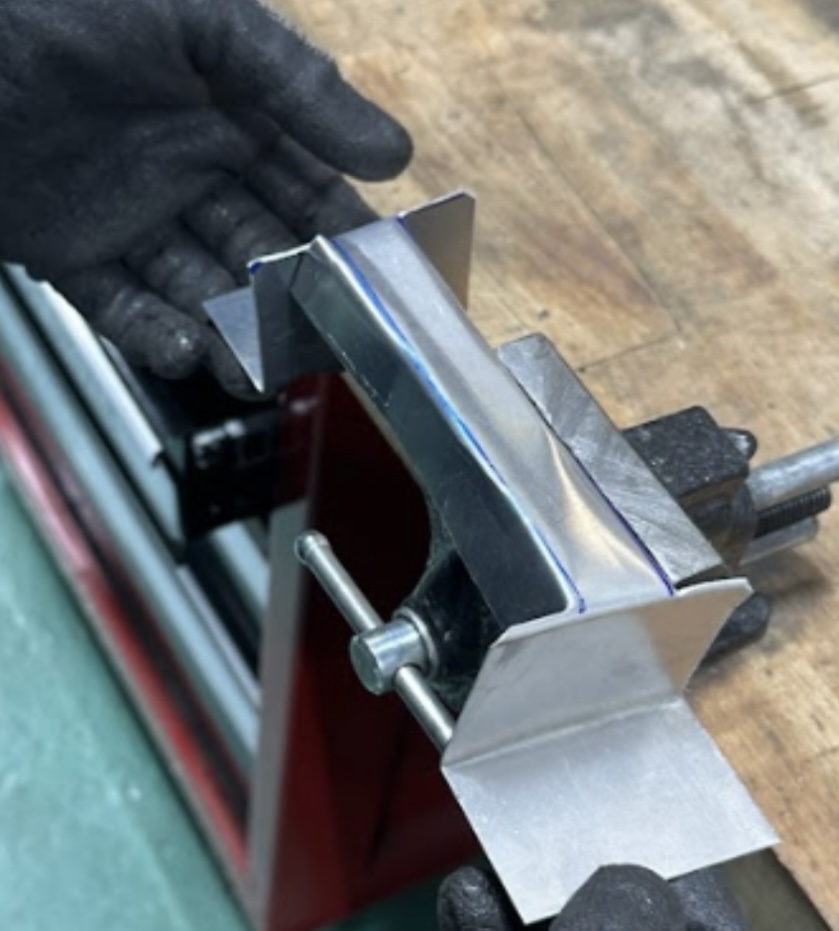
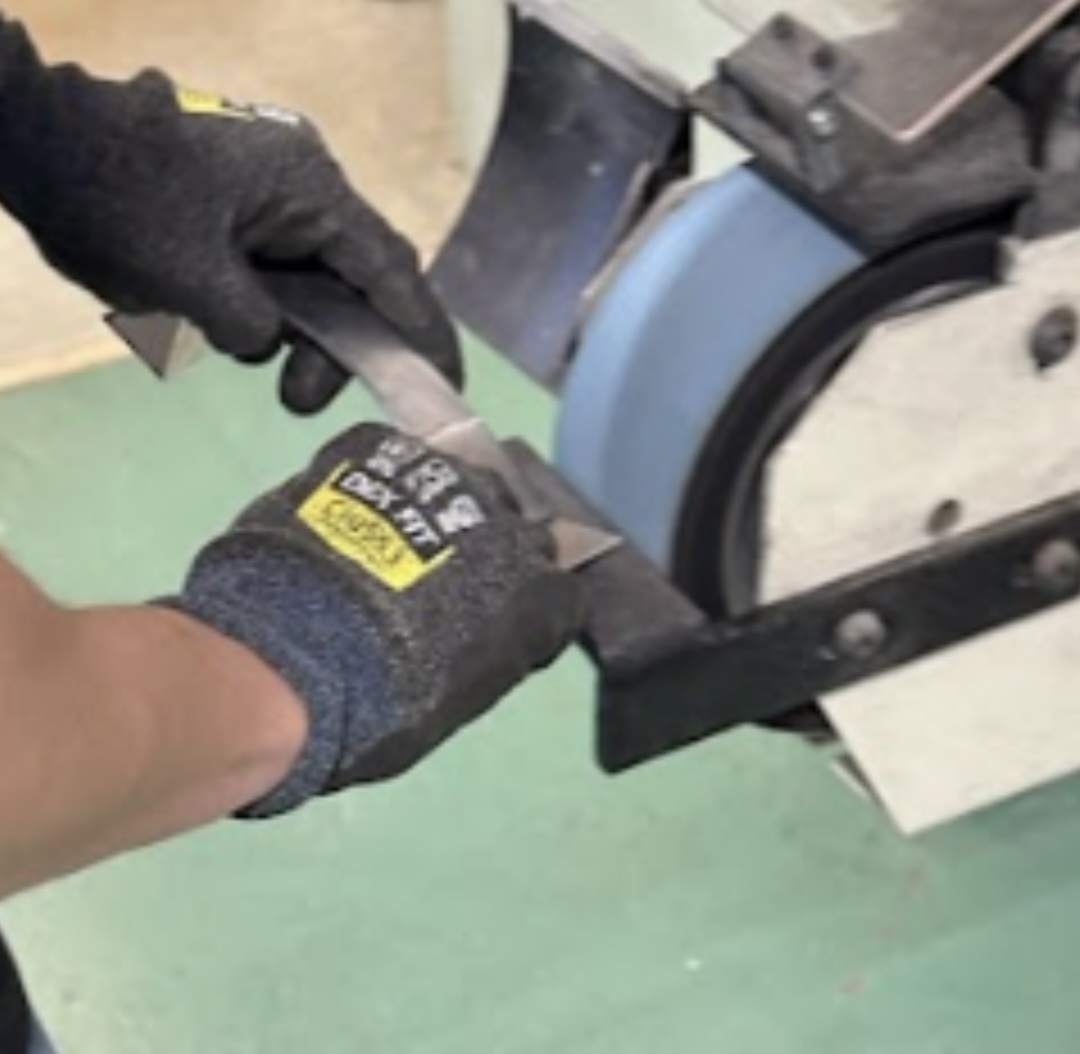
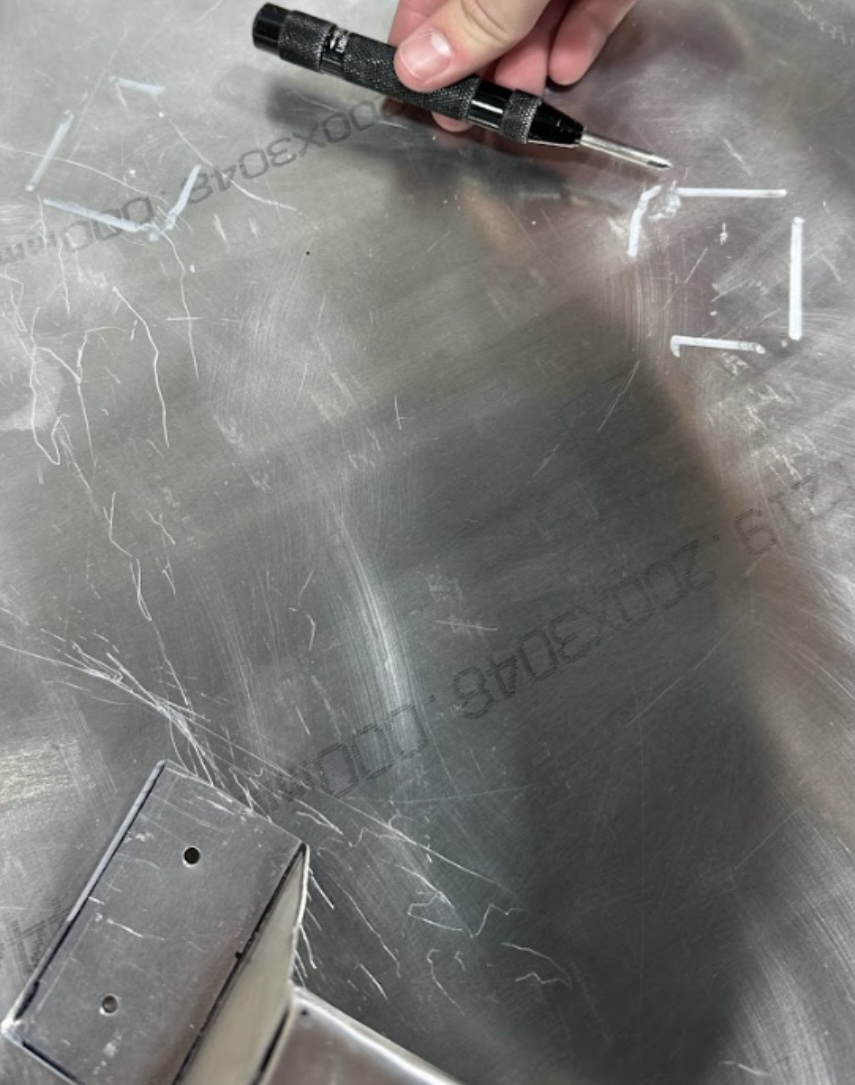
The aim of this project was to design and fabricate a scaled, functional, and aesthetically pleasing medieval-style shield using sheet metal. Applying a variety of manufacturing techniques, including cutting, shaping, and assembling sheet metal, we worked with 2mm-thick aluminum sheets to gain a deeper understanding of material properties such as malleability, ductility, and strength. We quickly found out that while electric hand shears could cut straight lines, we needed a more powerful tool for cutting the shield's curves. The vertical band saw proved perfect. We also used a bead roller and an English wheel to bend and deform the metal, smoothing scratches with a dremel and buffing wheel to enhance the surface finish. Rivets were used for handles to ensure strength. Combining these techniques with teamwork, we successfully created a polished shield that is comfortable, light, yet durable.
Atlas
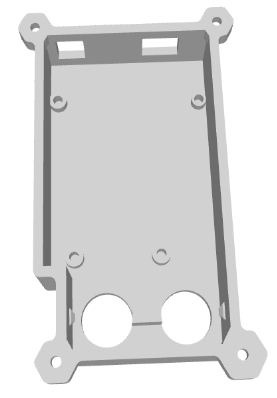
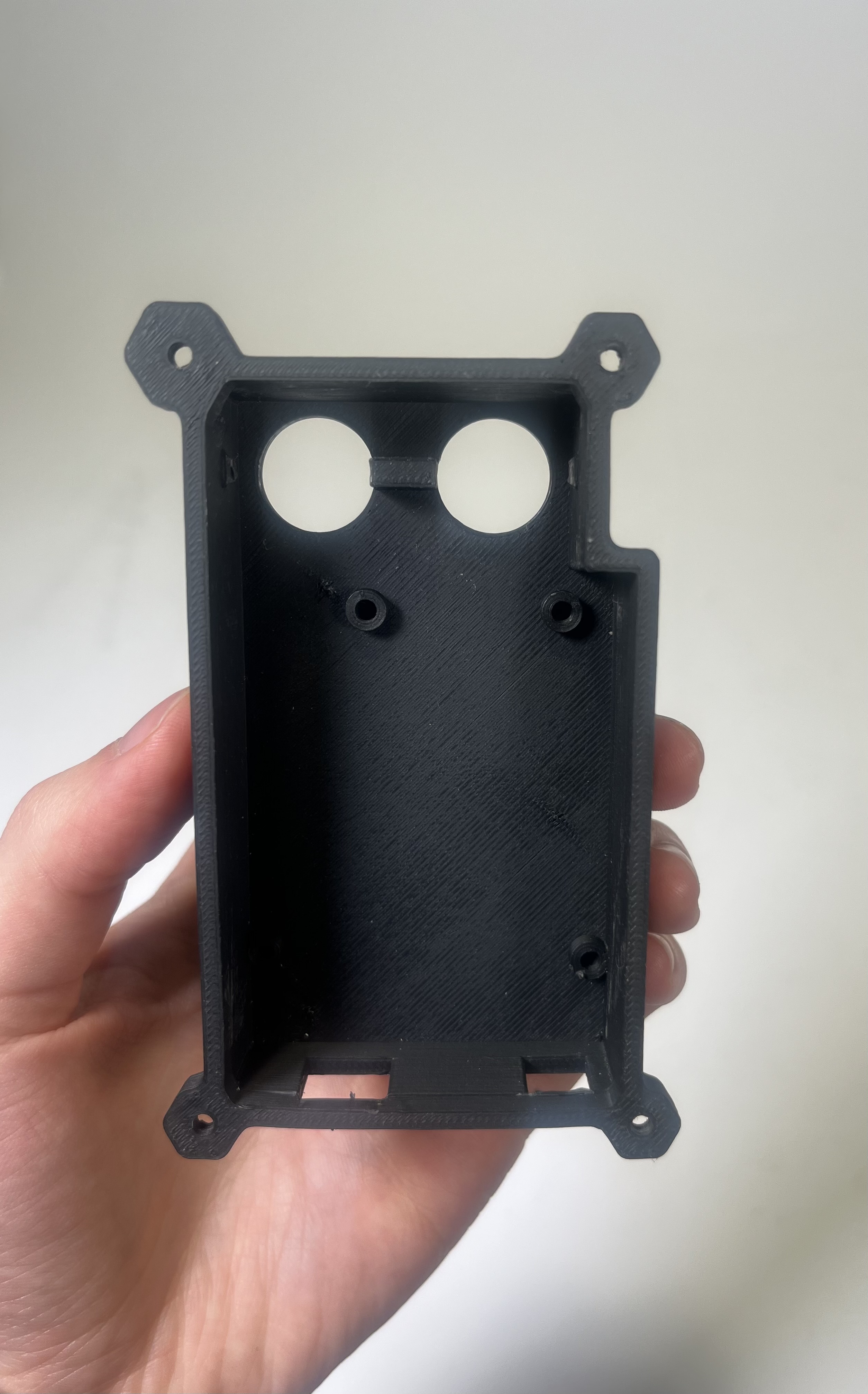
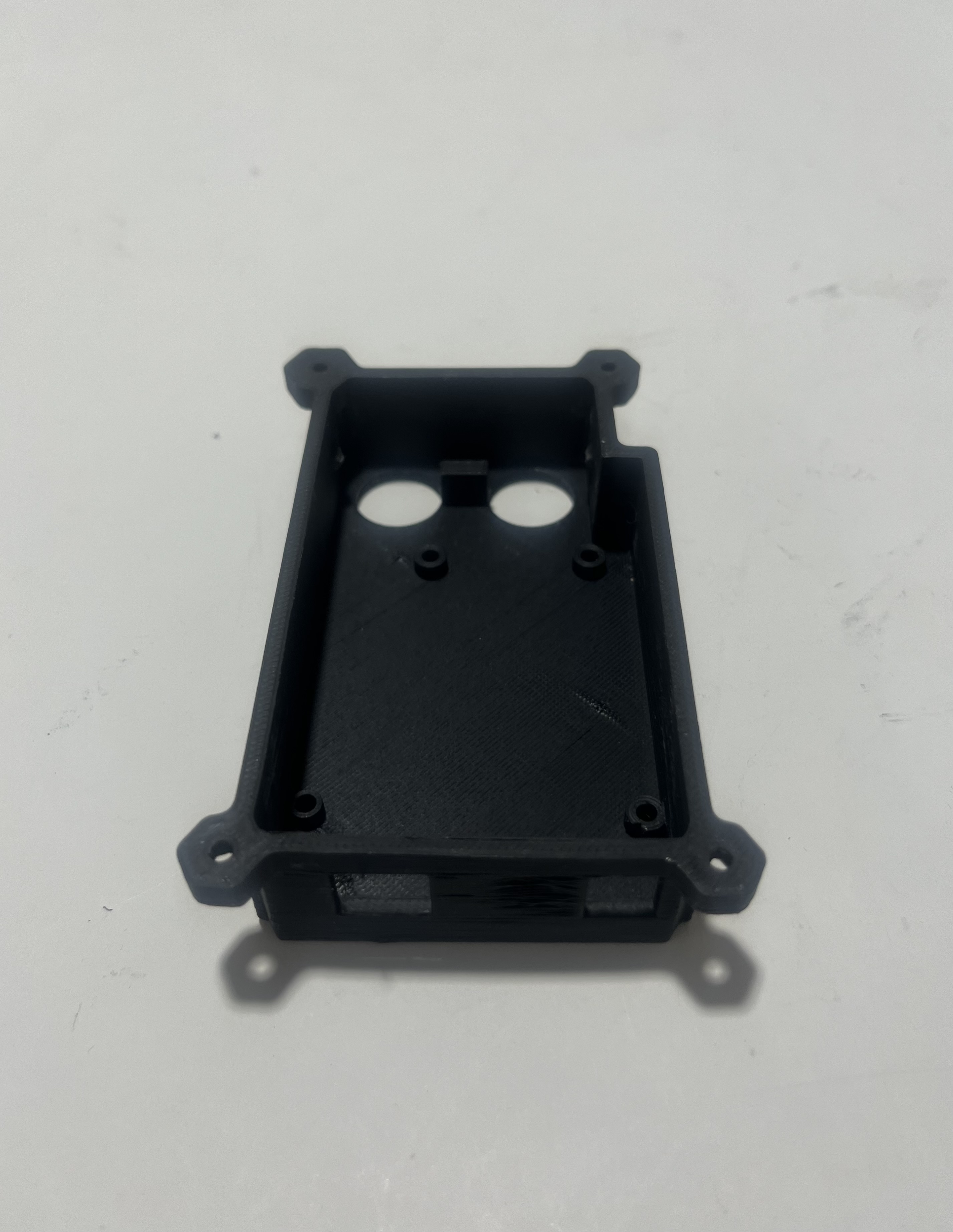
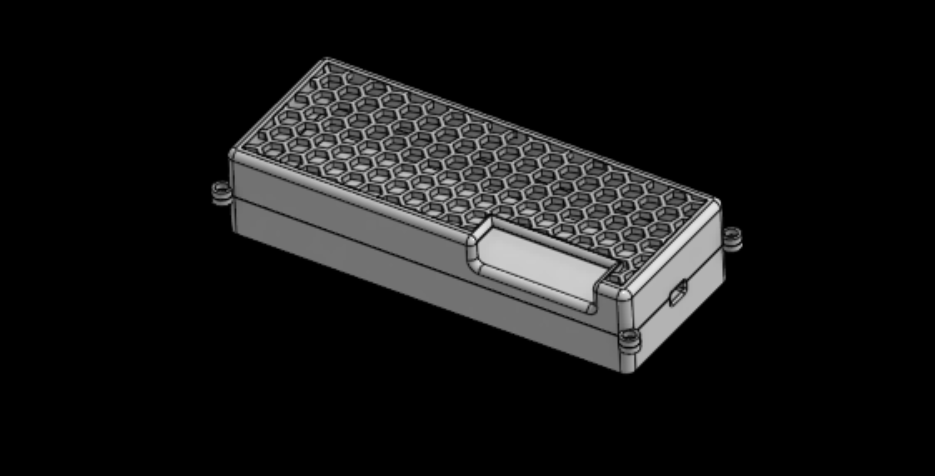
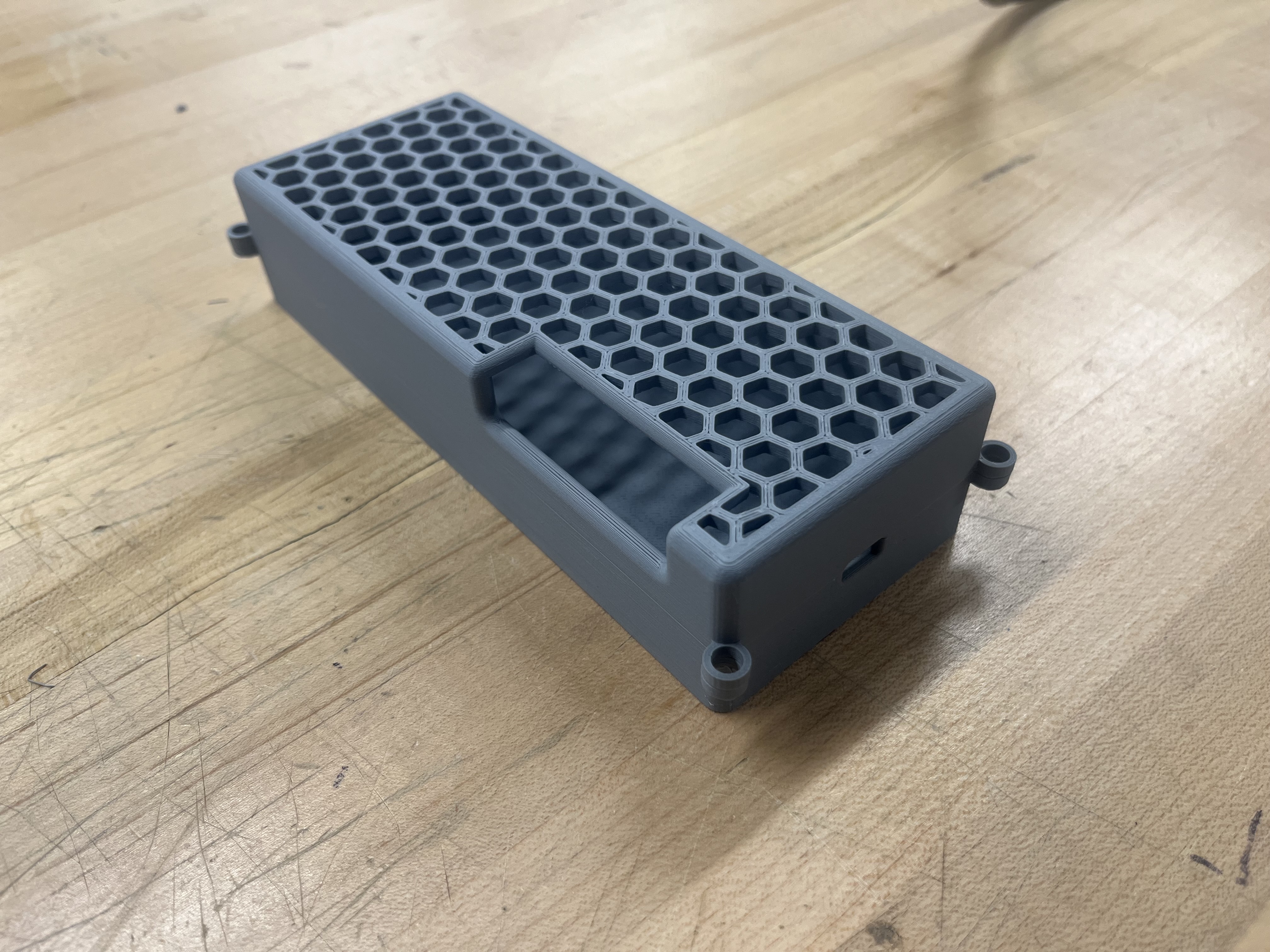
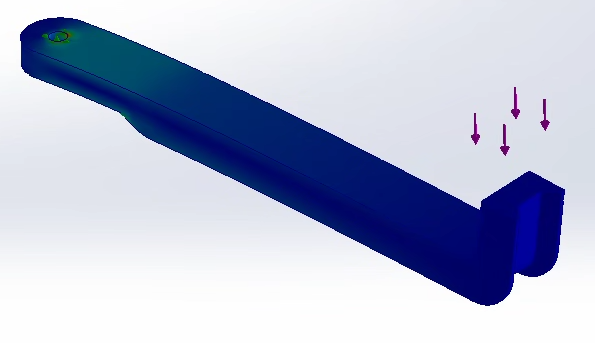
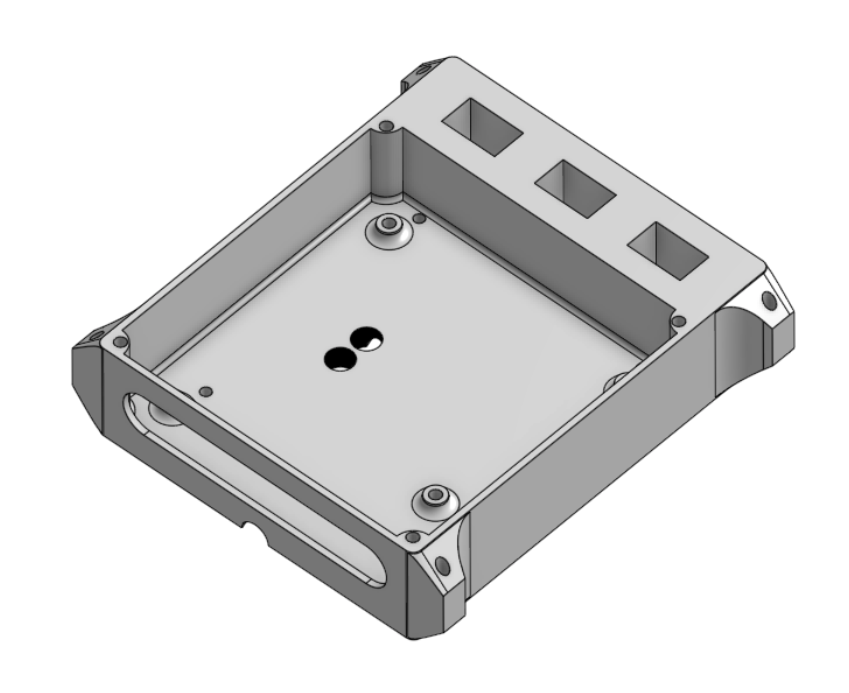
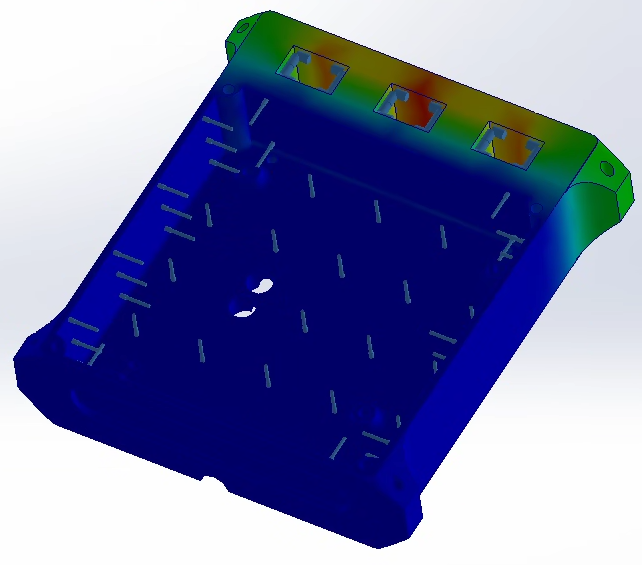
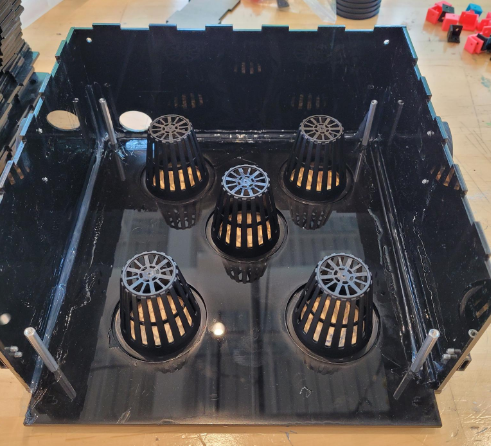
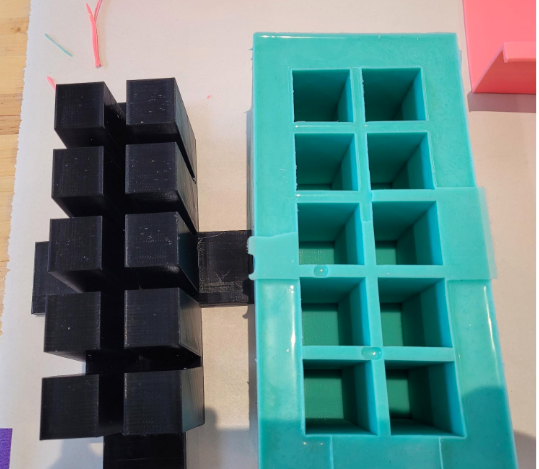
My work at Atlas focused on designing and fabricating automated sensor hardware systems. I worked during summer 2025 as a mechanical design engineering intern, designing and fabricating electronics housings and mounts using CAD and FEA. I owned two projects: a smart tower garden for schools and homes, and devices for scalable crop health monitoring in multi-acre plots for farmers. I also tested aluminum-filled polymers and thermally conductive plastics to optimize thermal management in housings.
Autonomous Water Gun Turret
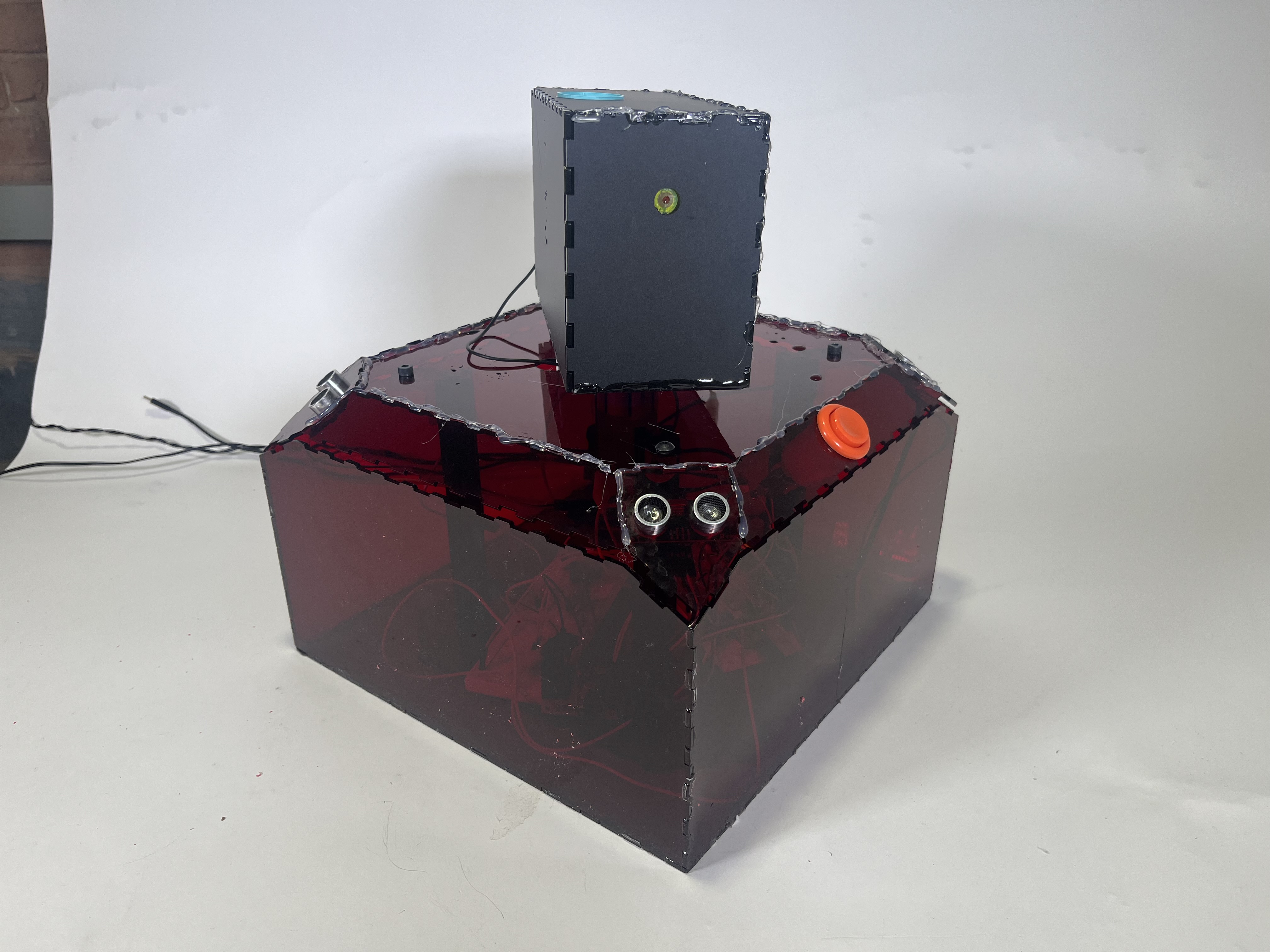
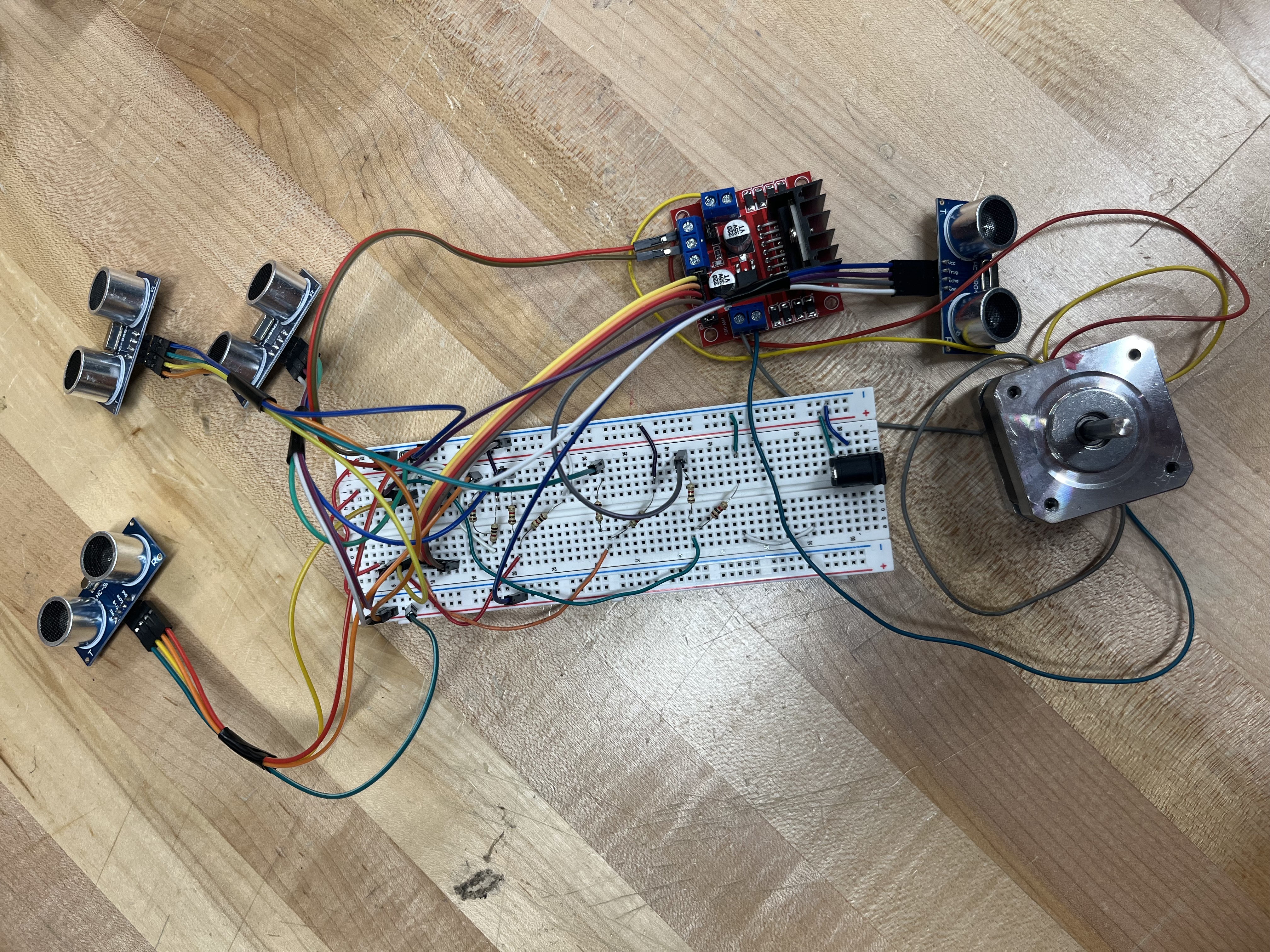
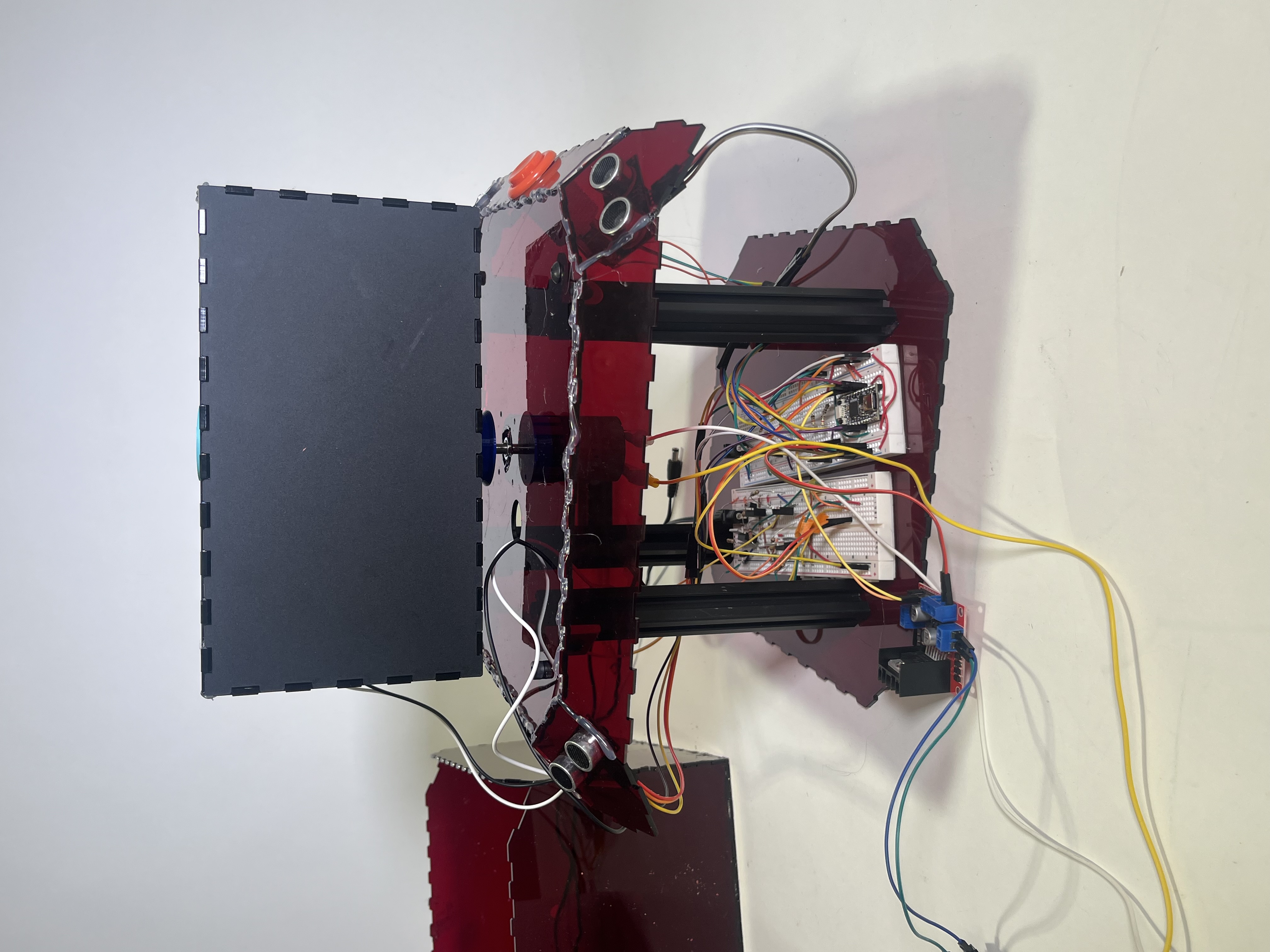
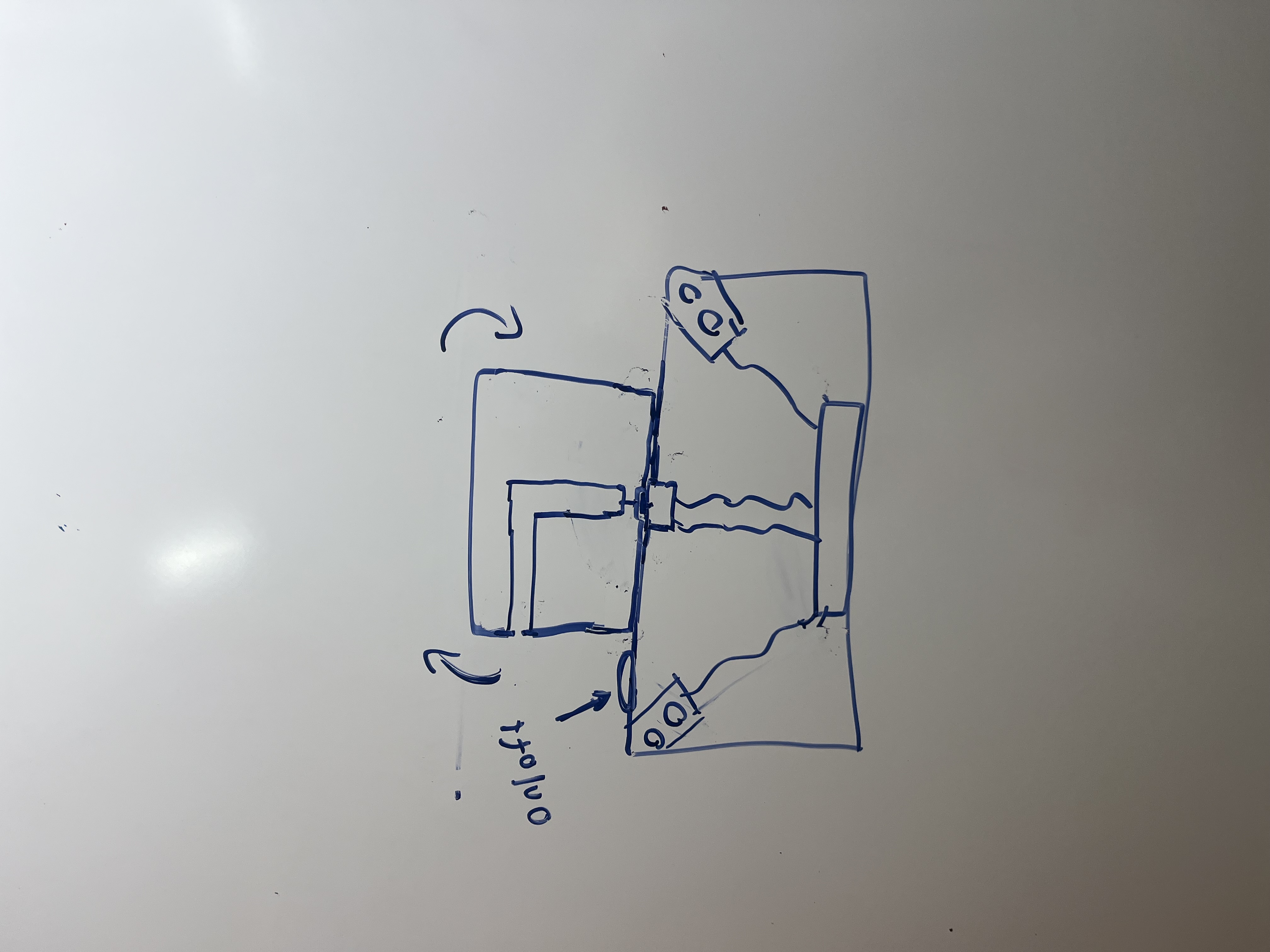
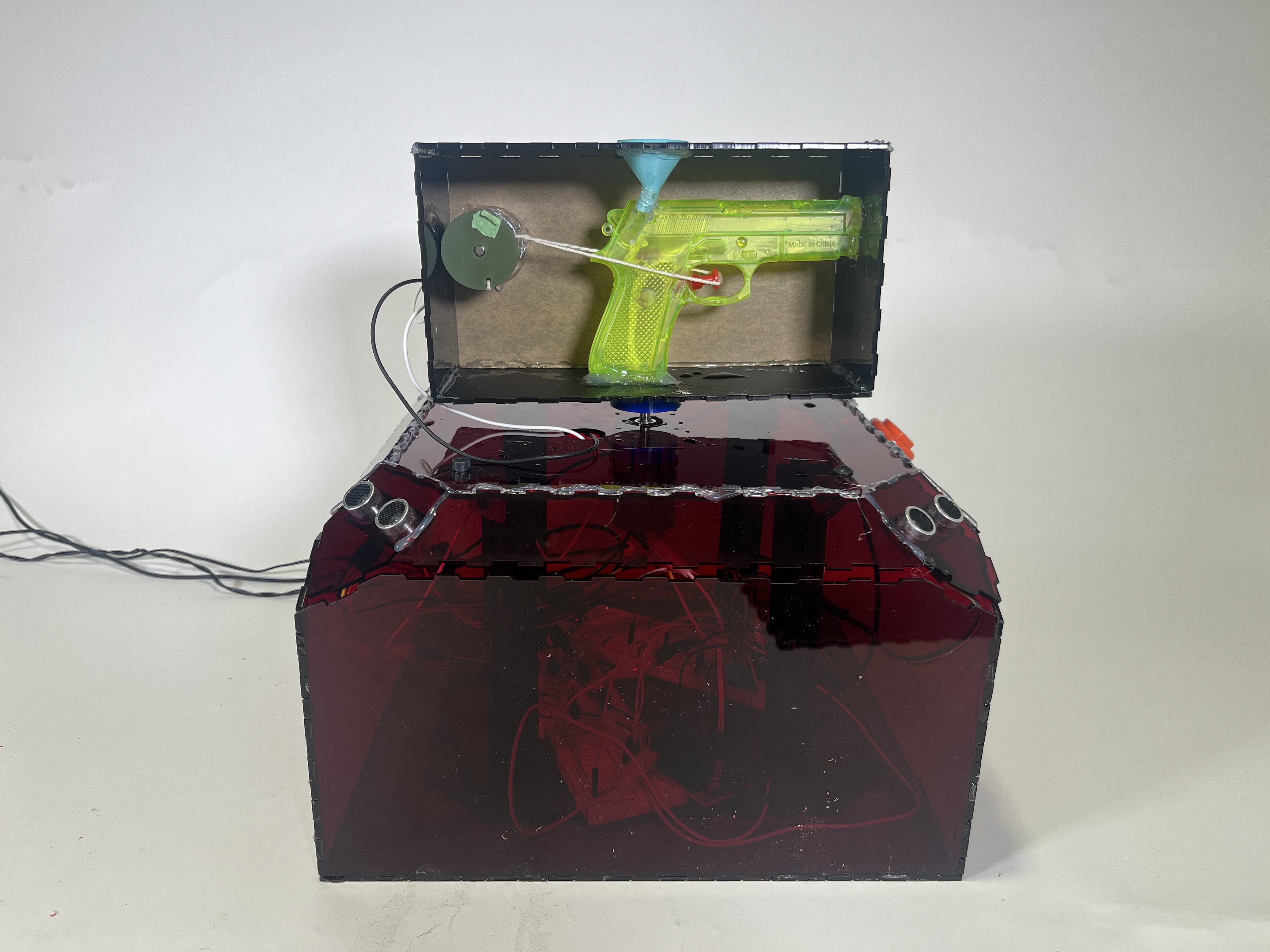
This project was developed for my Electronics and Controls course, where we were challenged to design an interactive game using a KB2040 microcontroller, motors, and various electronic components. I built an autonomous water-gun tracking turret that uses ultrasonic sensors to detect a target, spin toward it, and fire! The system was rapidly prototyped using 3D-printed parts, laser-cut acrylic, and custom-cut 80/20 aluminum supports.
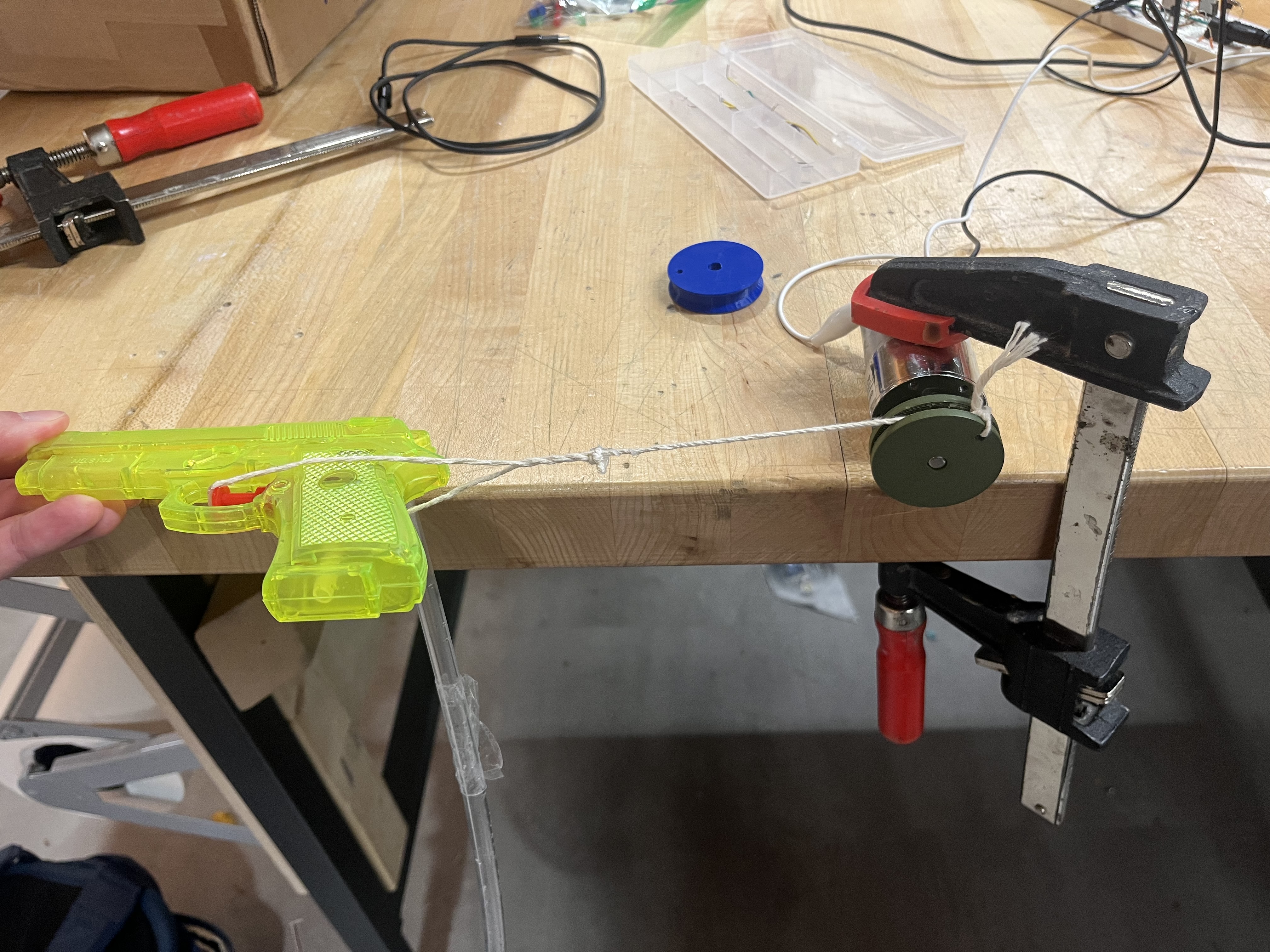
To actuate the water stream, I integrated a real water gun from home and designed a mechanical trigger-pulling mechanism driven by a motor, a piece of high-tension string, and a custom 3D-printed motor hub. The final build demonstrated reliable tracking, smooth rotation, and consistent trigger actuation, all while showcasing fast iteration and creative electromechanical design.
Guiding Hands
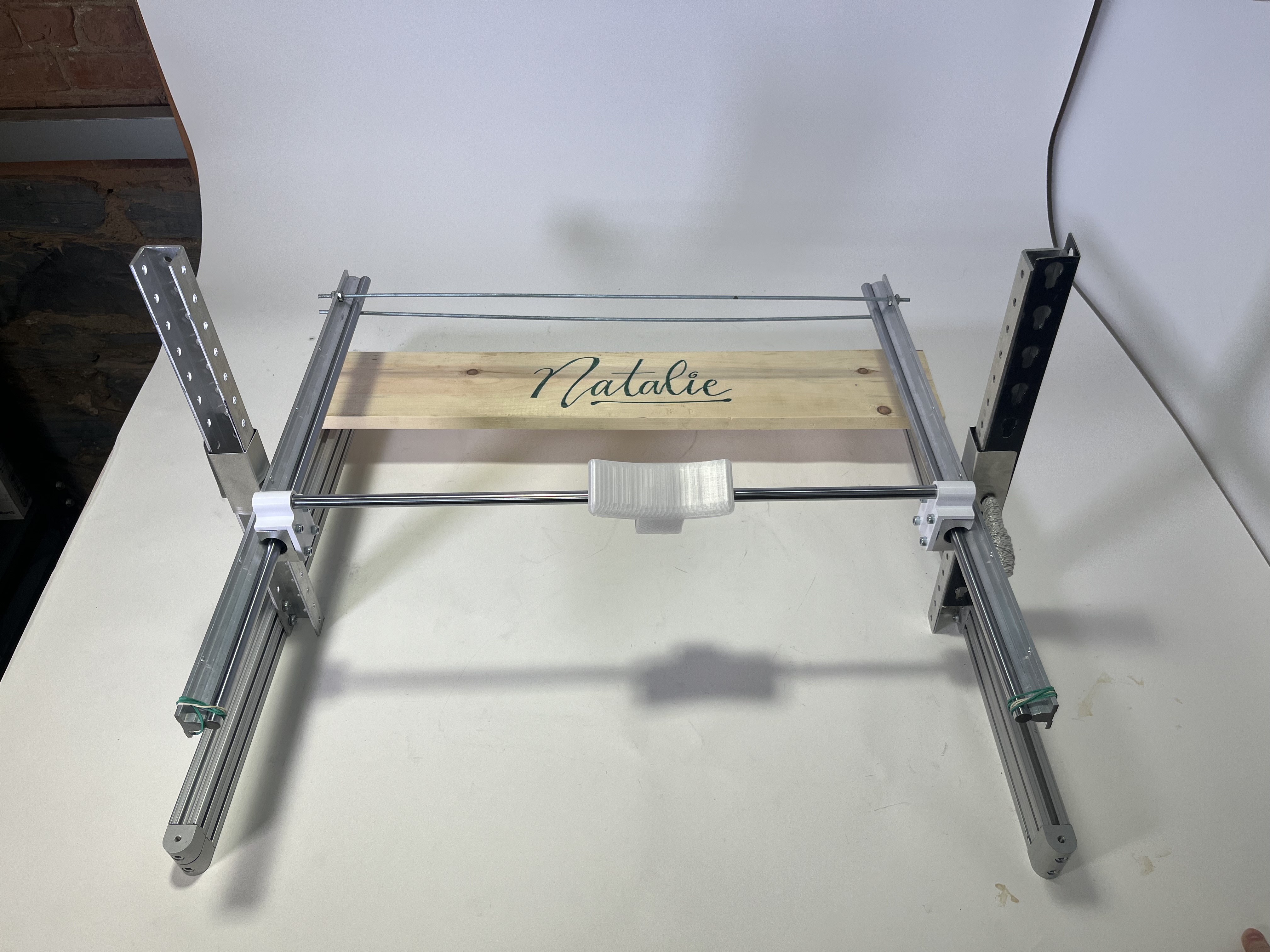
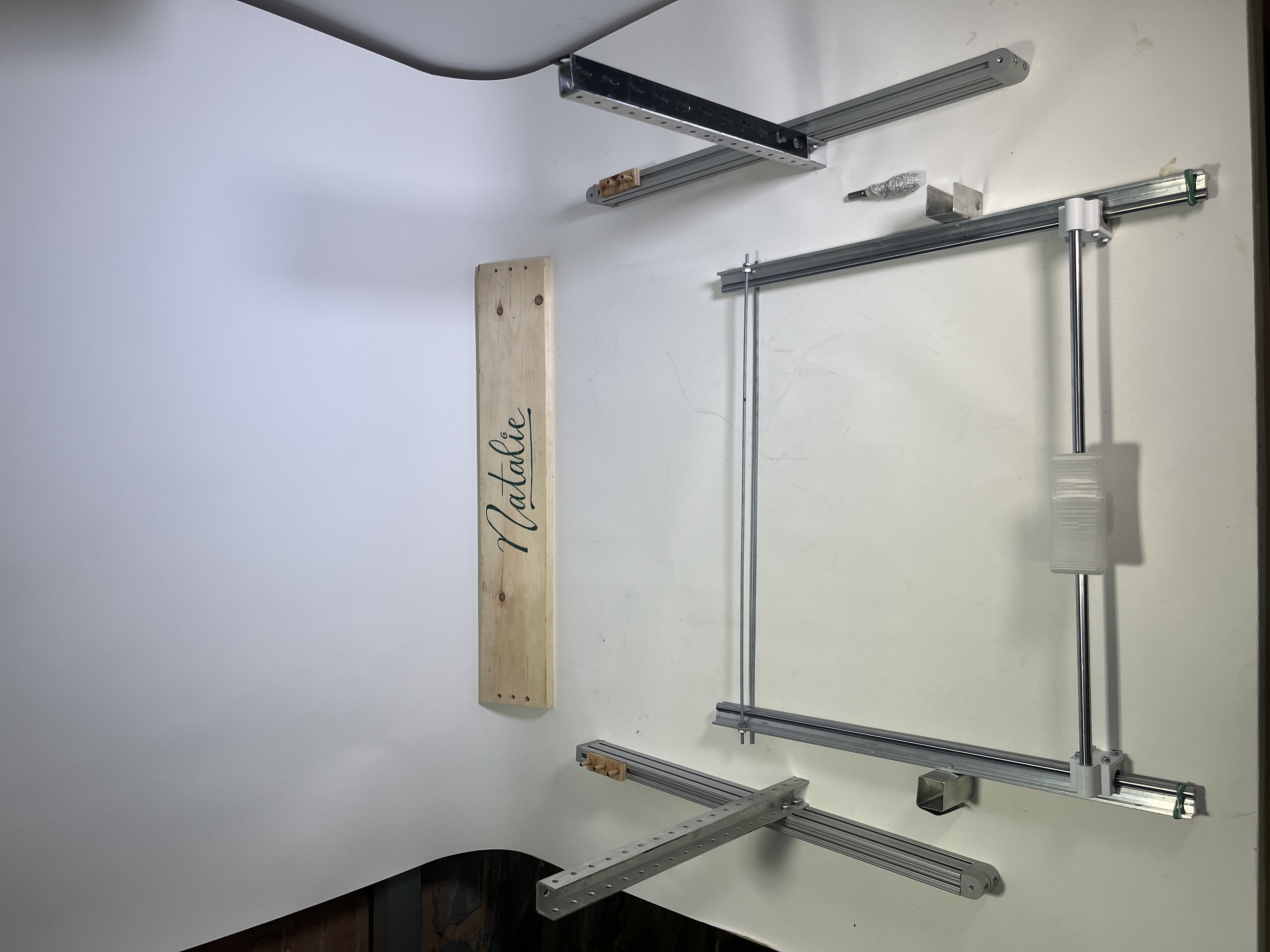
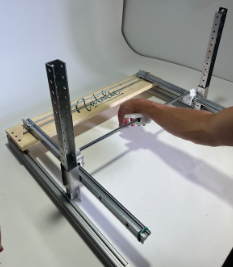
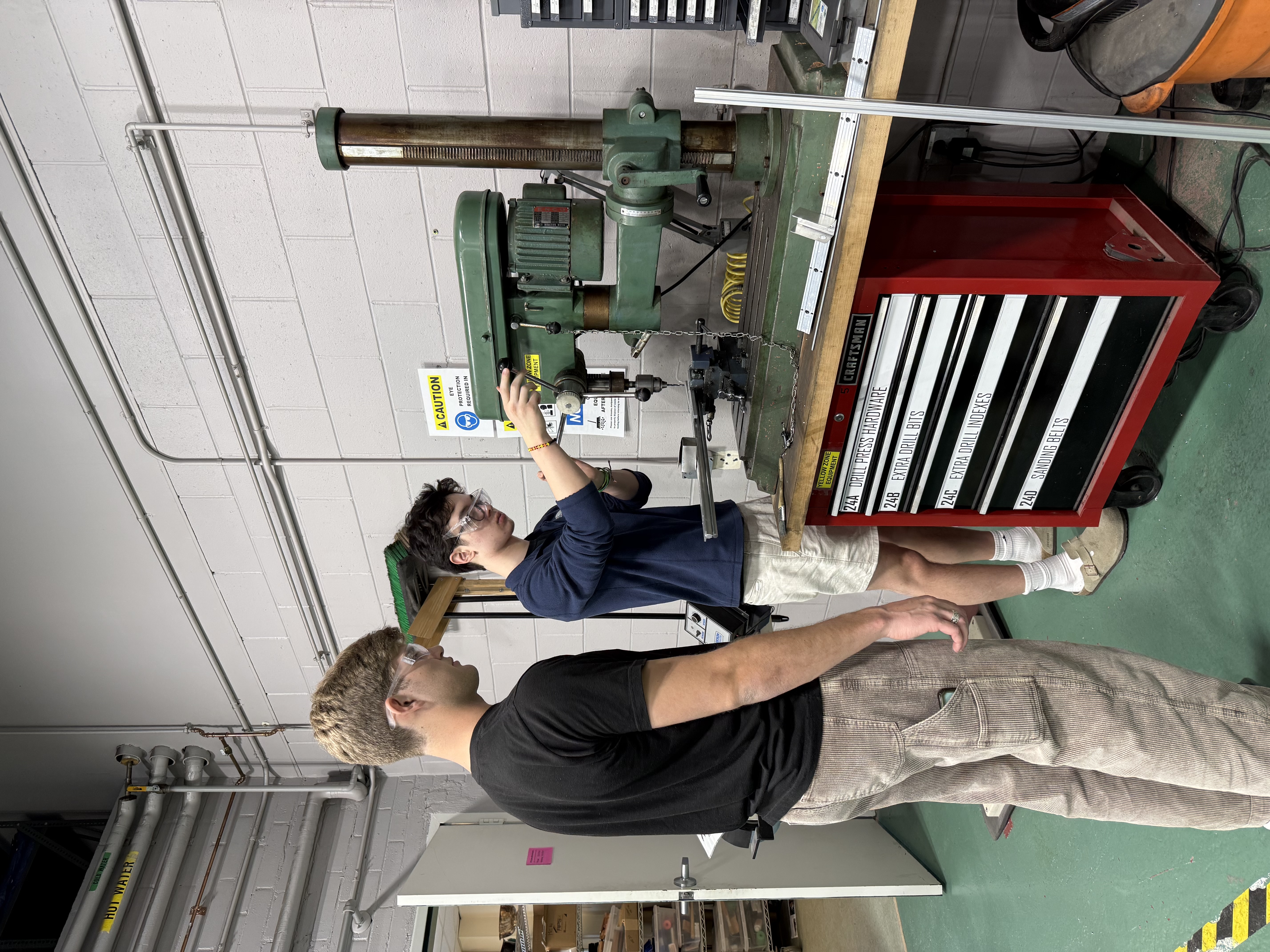
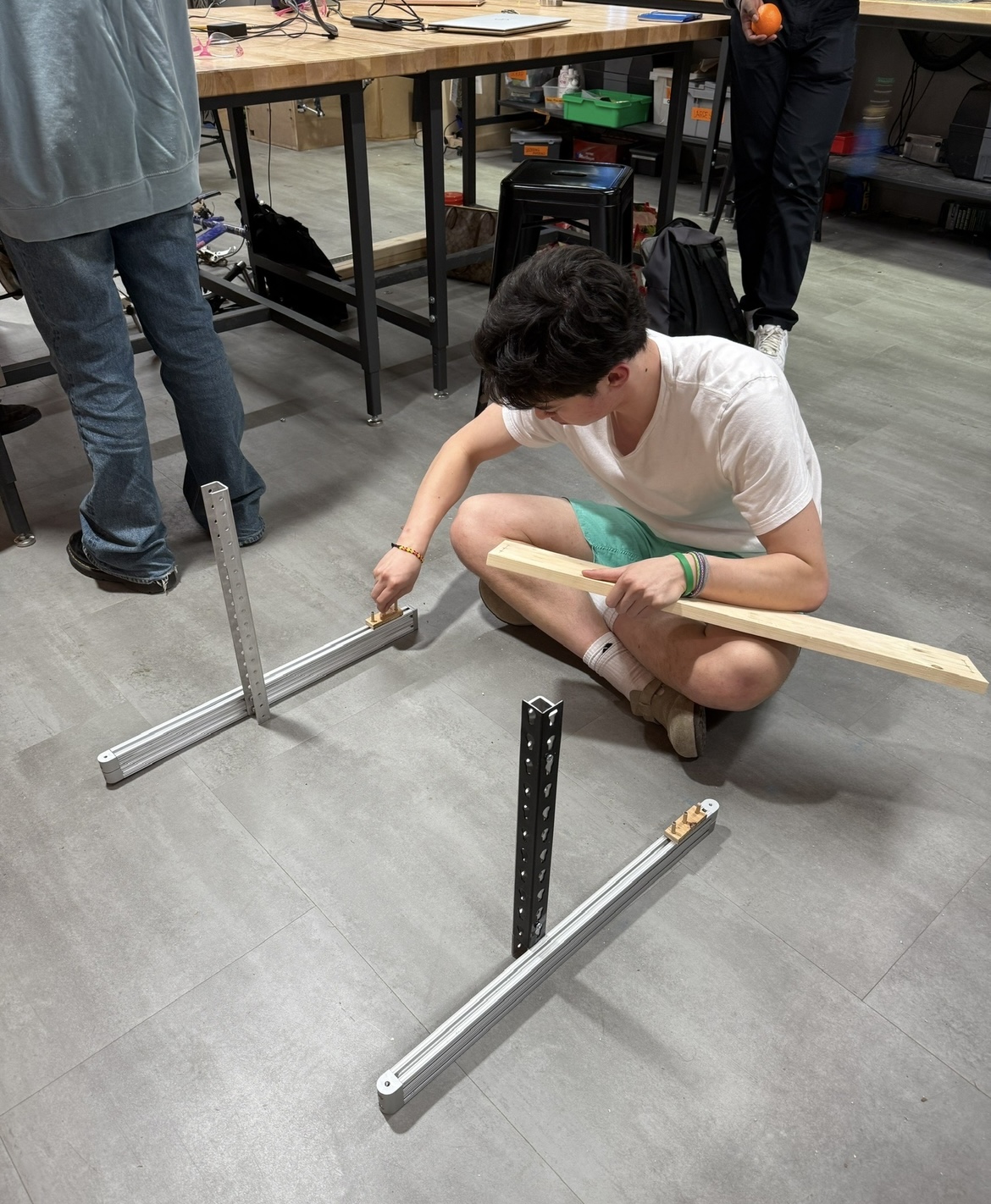
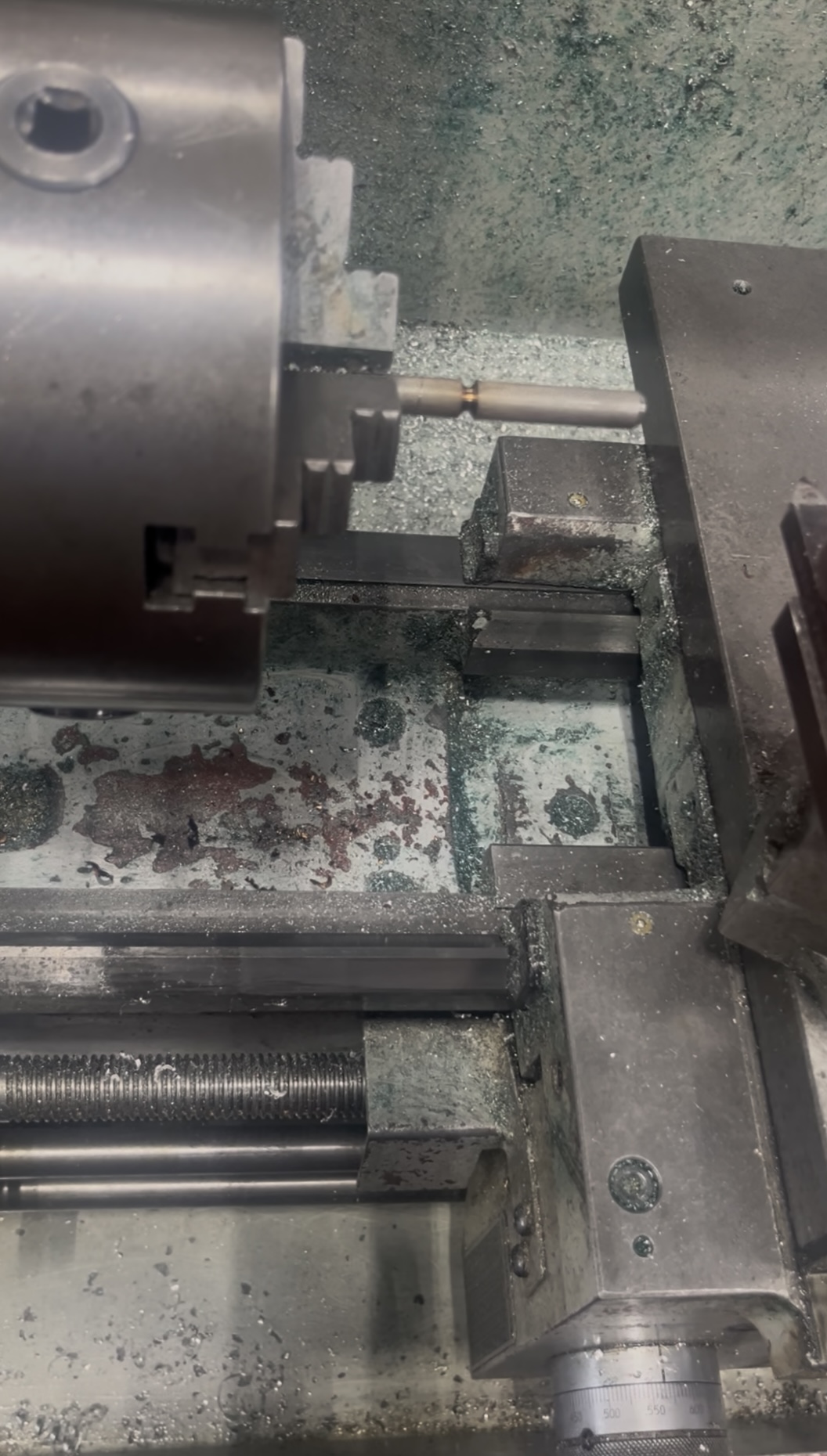
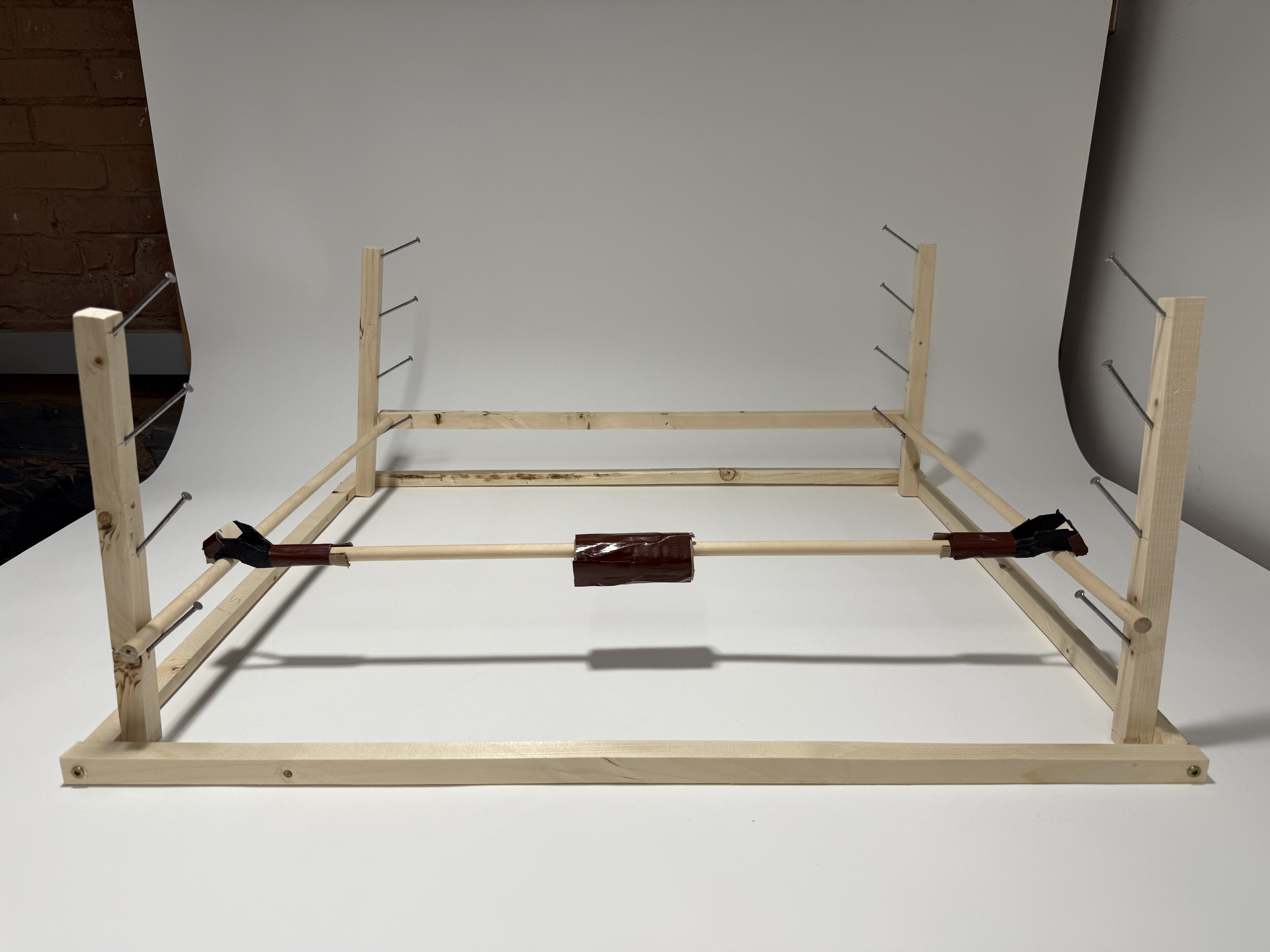
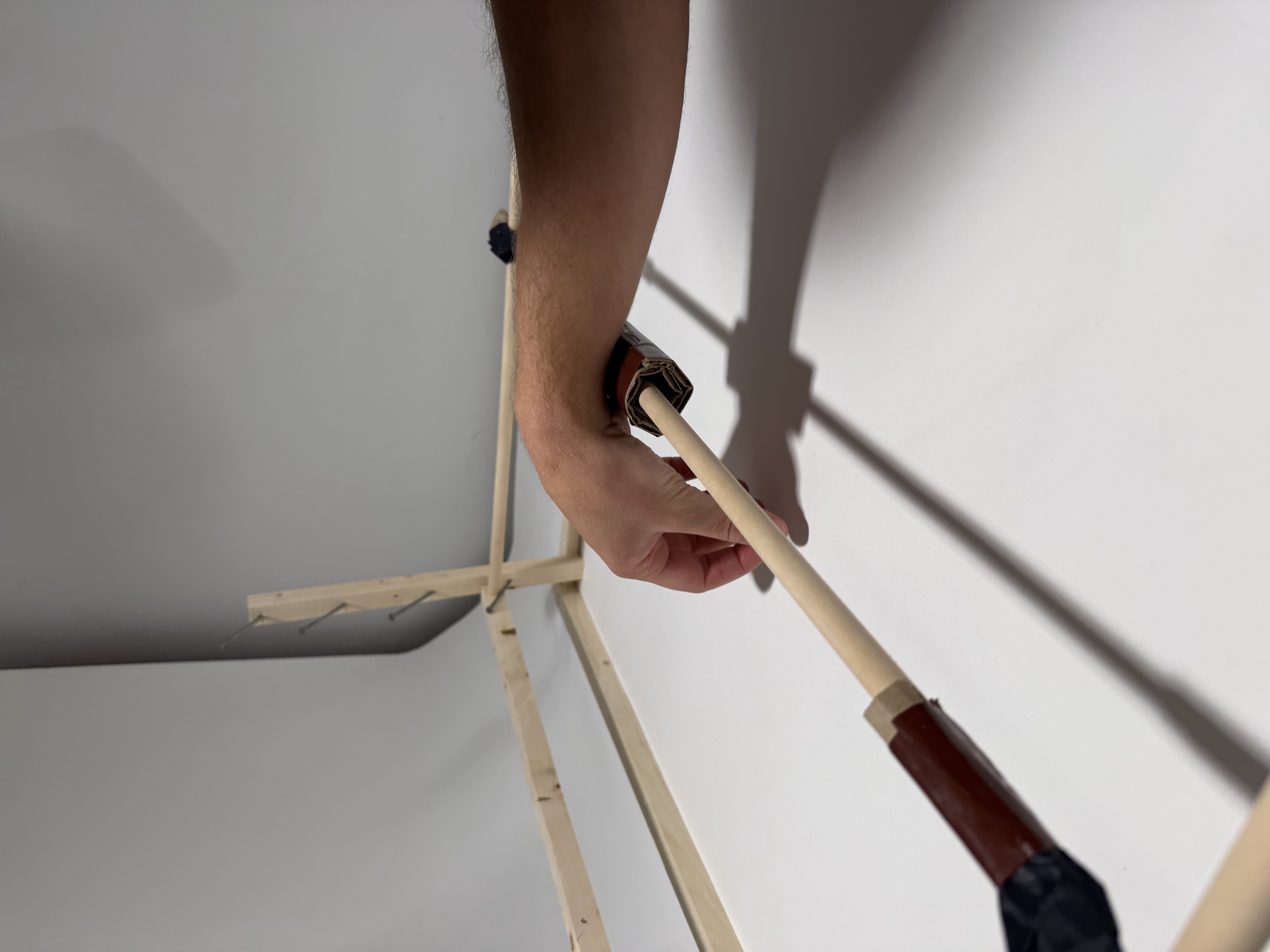
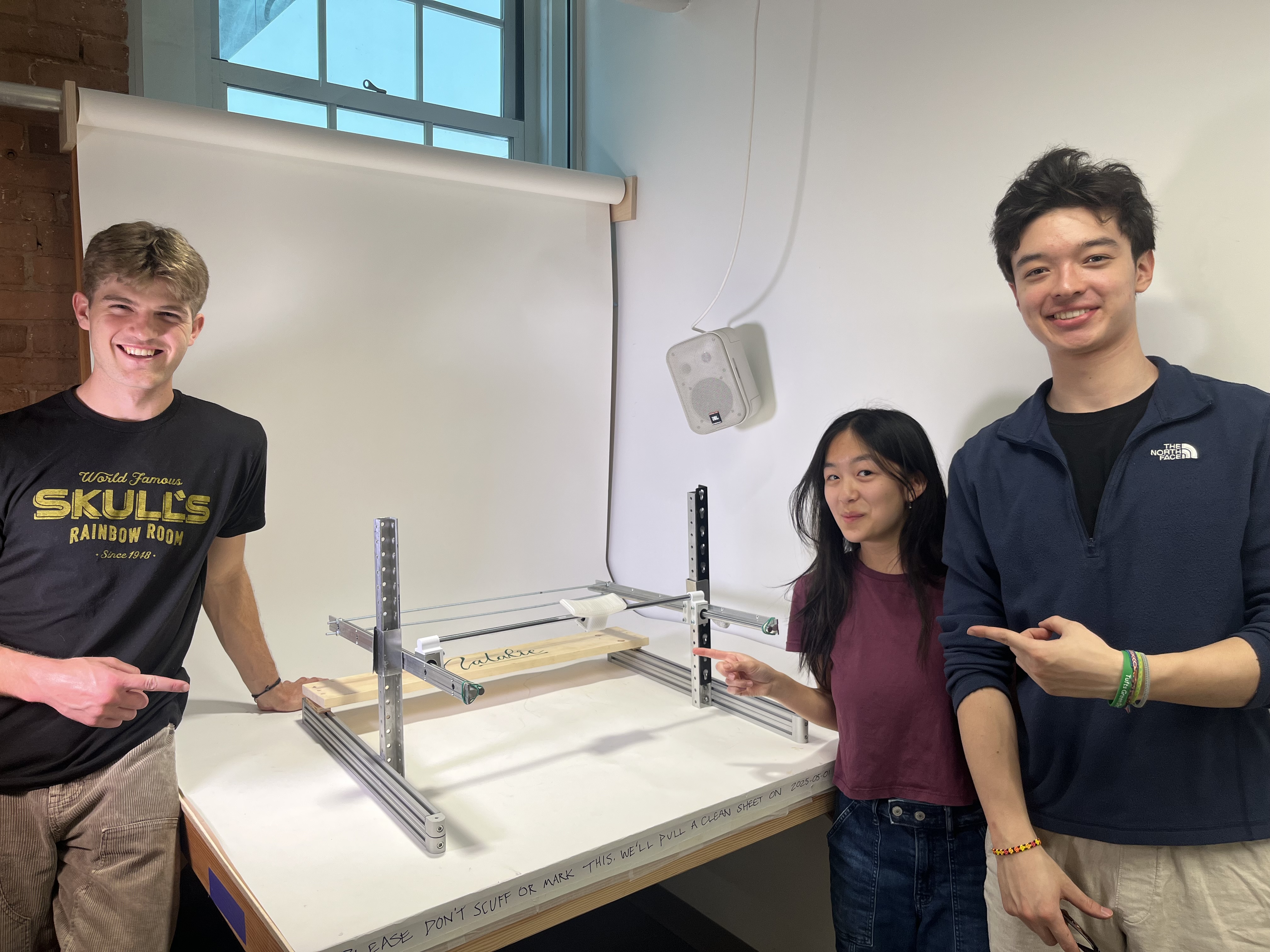
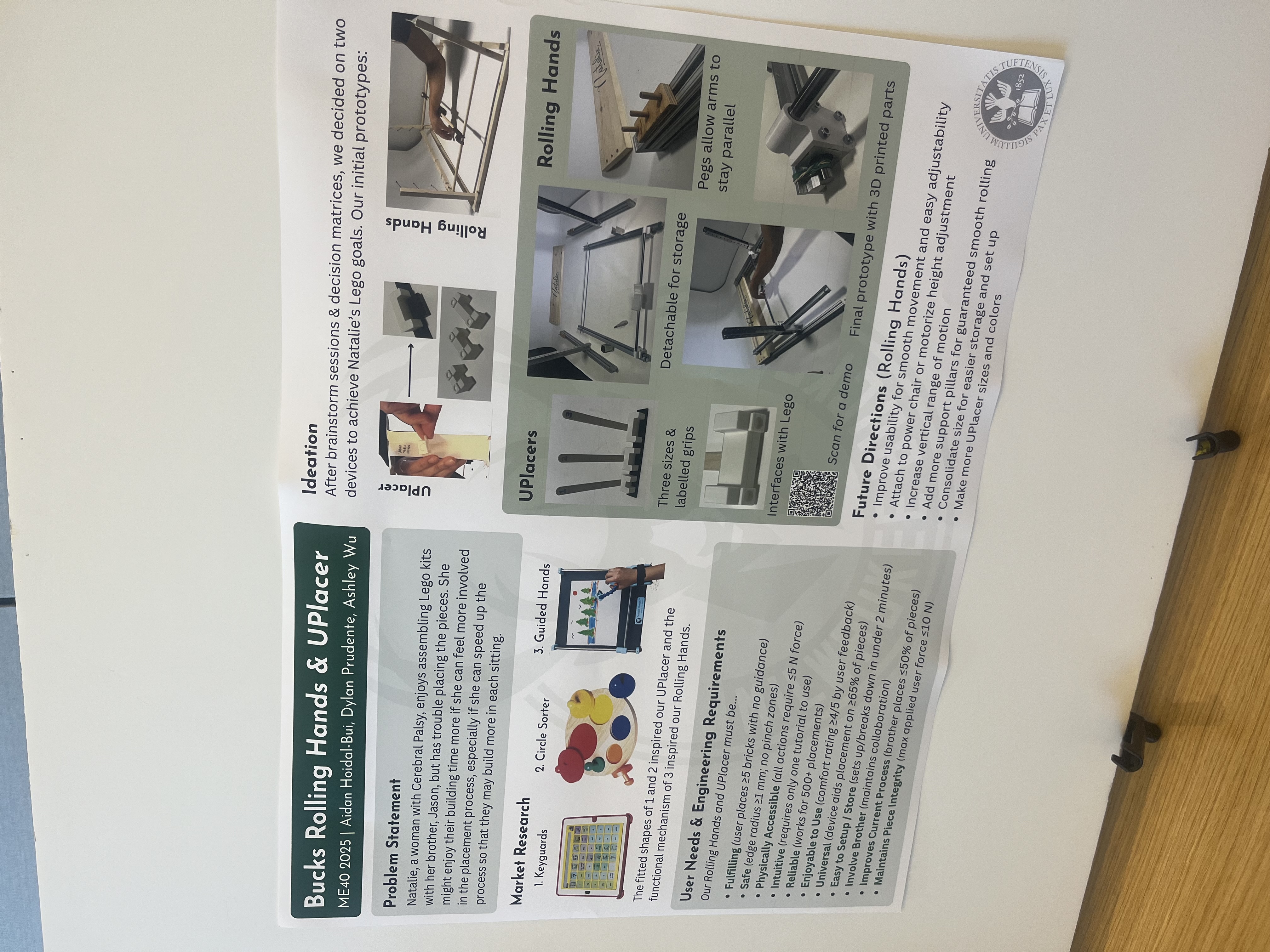
Guiding Hands is a collaborative assistive technology project aimed at improving accessibility and independence for individuals with limited hand mobility, specifically those with Cerebral Palsy. This project involved rapid prototyping, precision mechanical assembly, and ergonomic testing. Our team collaborated closely with an individual with Cerebral Palsy who wanted to build LEGO sets more easily. We developed a comfortable, low-cost device using metalworking and fabrication techniques that translate subtle wrist and arm motions into fine motor control. We gifted the final prototype to the individual with Cerebral Palsy for further testing and Lego building.
More CAD Designs
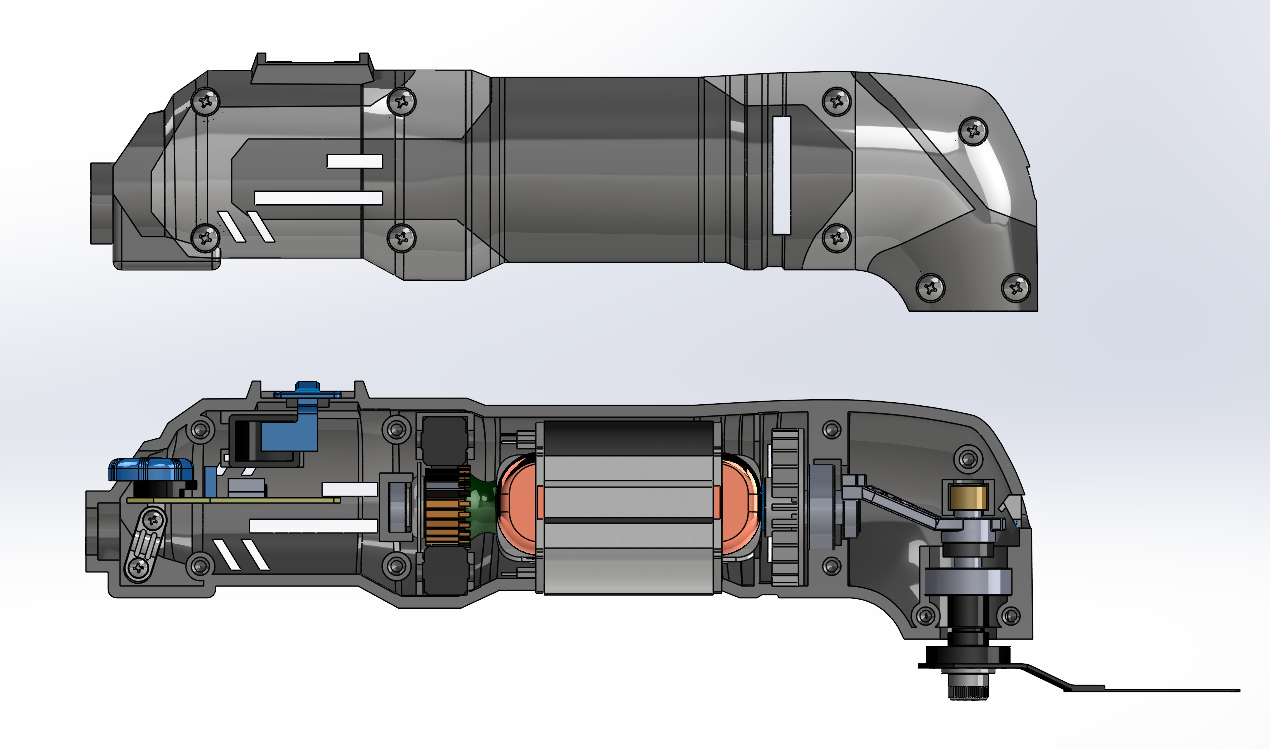
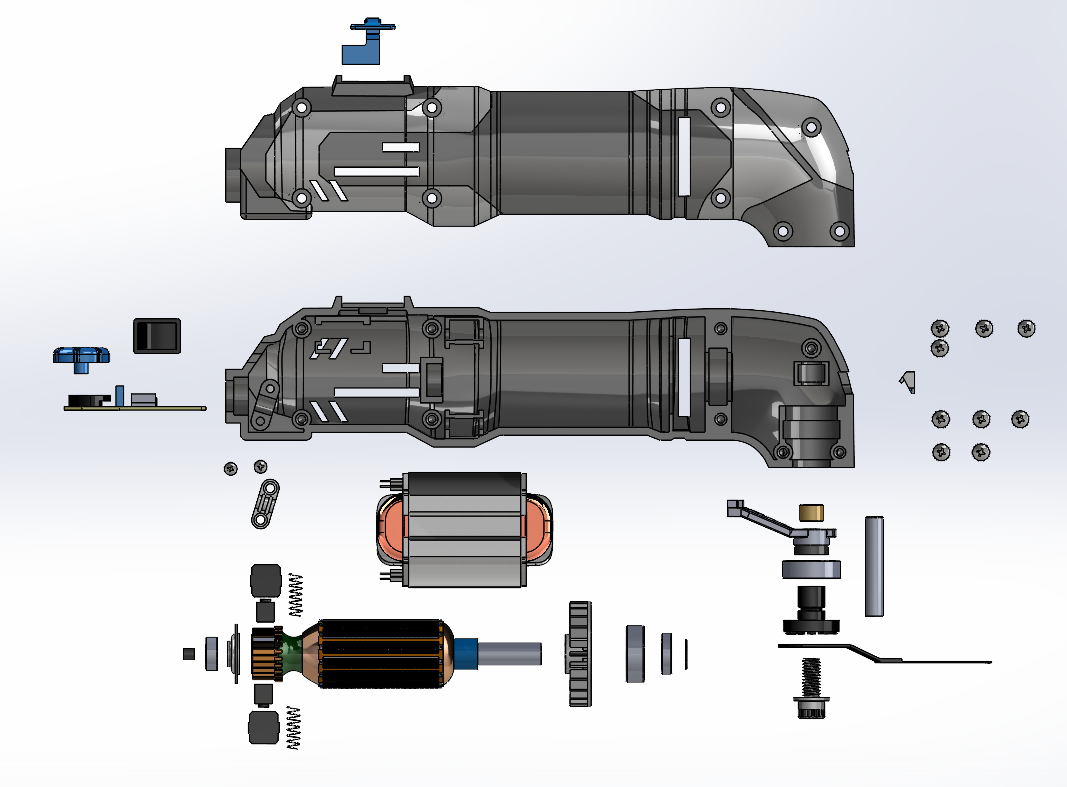
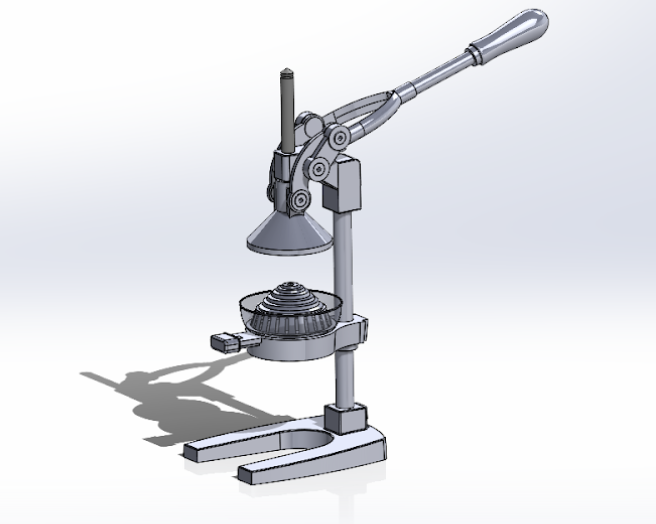
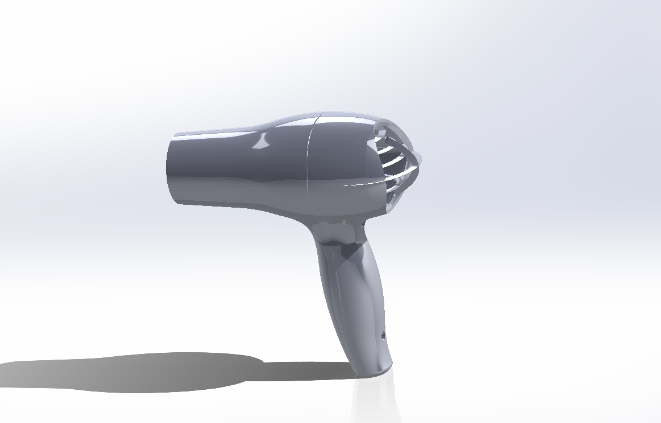
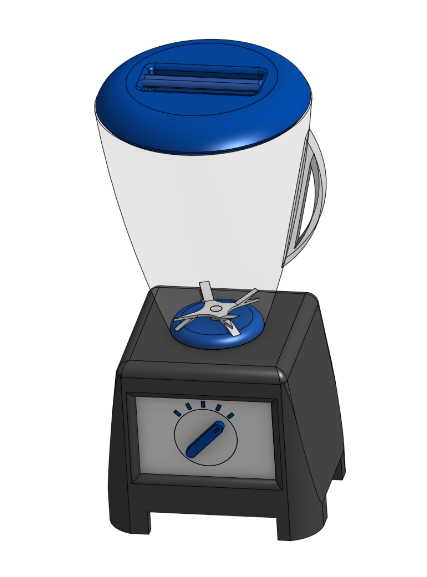
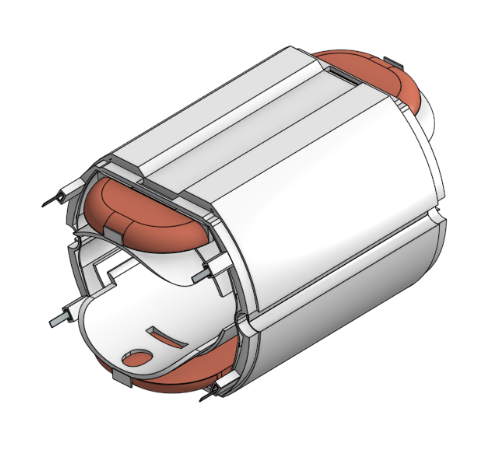
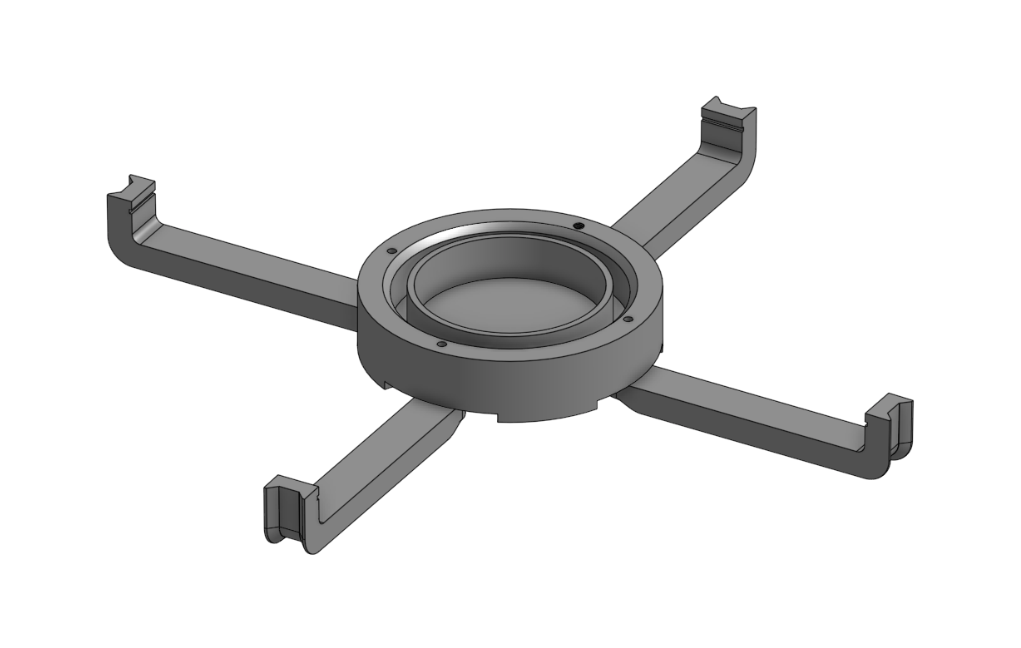
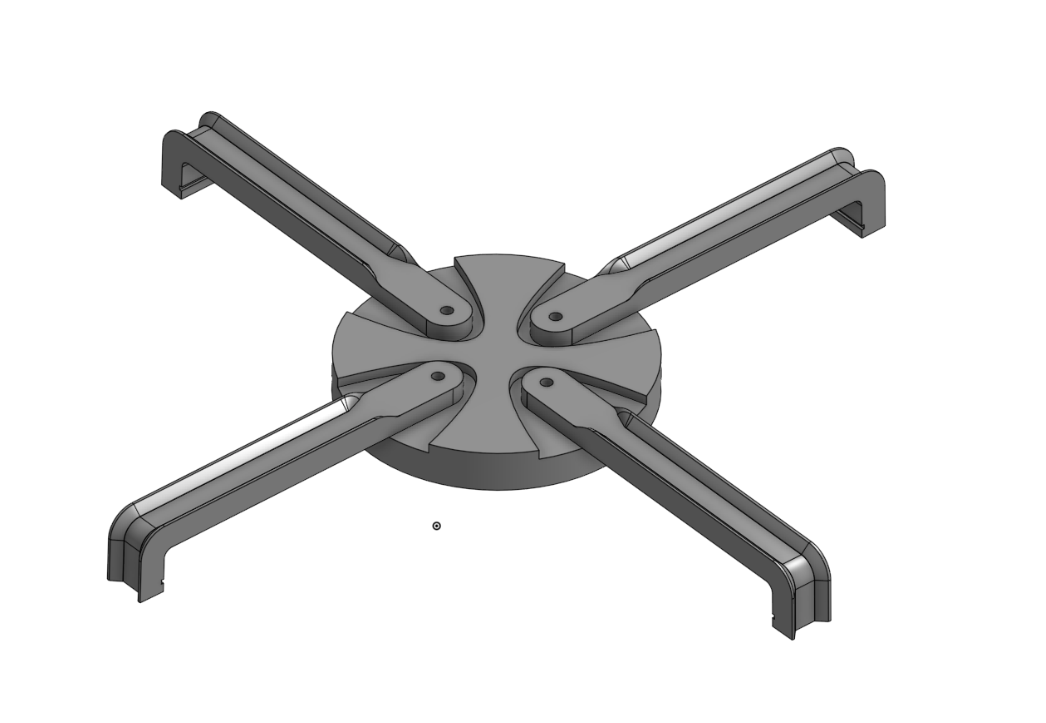
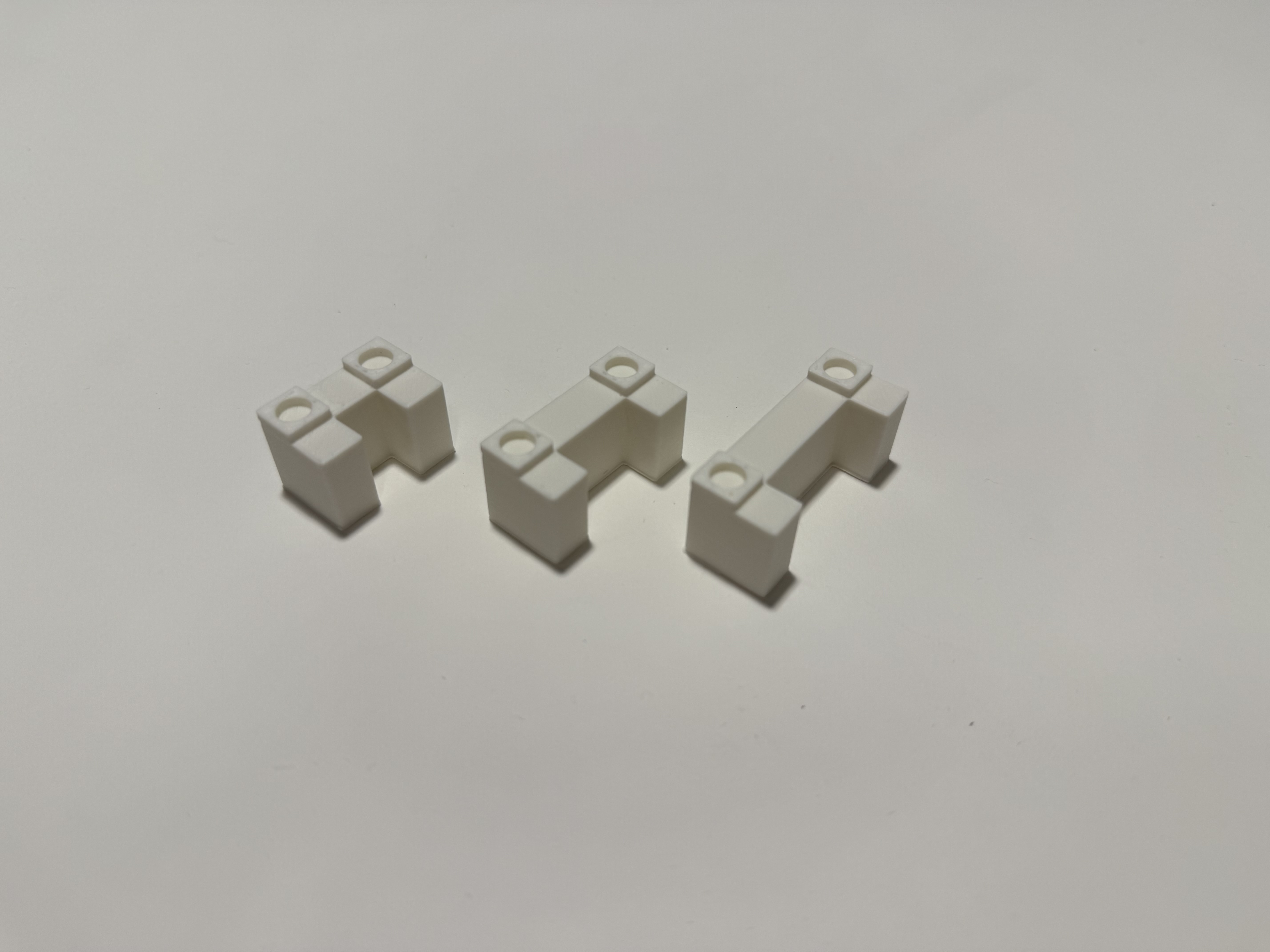
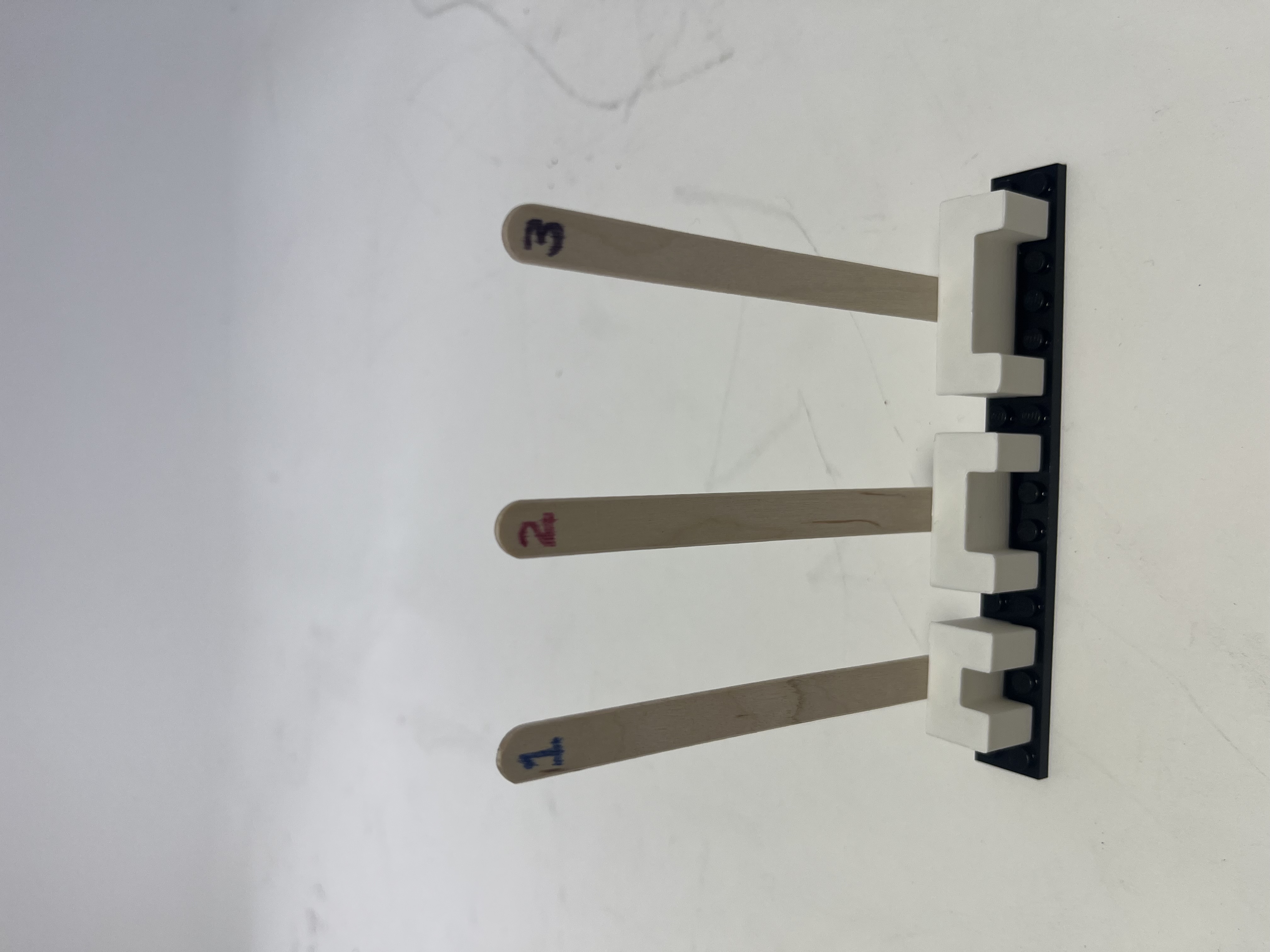
A collection of additional CAD designs showcasing complex assemblies, detailed mechanical components, and experimental prototypes. These models highlight precision design work and iterative prototyping across academic and personal projects.